Pakistan/Afghanistan (MNN) — Border clashes broke out this week between Afghanistan’s Taliban and Pakistan’s armed forces, after months of a shaky ceasefire between the two nations since late 2025.
The fighting follows Pakistan’s controversial airstrikes on Afghan territory over the weekend.
Nehemiah with FMI explains the bigger picture of those strikes: “Pakistan is blaming Afghanistan that terrorists are using their soil to attack Pakistan,” he says. However, Afghanistan’s Taliban administration denies this, saying that Pakistan’s own failures are to blame for its security crises.
Wherever the blame lies, a real problem remains. A series of deadly suicide bombings has shaken Pakistan this month. The worst was the February 6 attack on an Islamabad mosque, which killed at least 32 people and injured 170 more.
“It was described as the deadliest attack in Islamabad in more than a decade, and the deadliest nationwide since the January 2023 Peshawar mosque bombing,” says Nehemiah.
Pakistan says its weekend airstrikes targeted suspected hideouts for two terrorist groups: the Pakistani Taliban (Tehreek-e-Taliban Pakistan, or TTP), and Islamic State of Khorasan Province (ISKP). Islamabad has blamed Afghanistan for not taking action against groups like these. However, Kabul says Pakistan’s weekend strikes did not kill 70-80 militant fighters; instead, they say Pakistan hit civilian buildings and killed or injured dozens, including women and children.
More instability for believers to face
Pakistan and Afghanistan share culture, food, and language, says Nehemiah. But their good relationship has deteriorated since the Taliban took over Afghanistan in 2021. Since then, Pakistan has dealt with rising militancy concerns. In 2025 alone, there were 2,425 incidents, according to data from Armed Conflict Location & Event Data (ACLED).
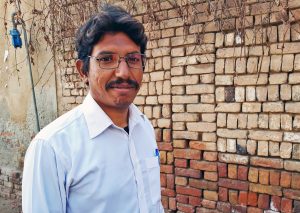
A gospel worker in Pakistan (Photo courtesy of FMI)
“This escalating tension deeply affects our ministry in both countries,” says Nehemiah. He says FMI partners face travel limitations, communication disruption, and security concerns during times like these. It makes discipleship and outreach even more complex. Stand with these gospel workers in prayer.
“Pray for boldness and wisdom, that believers would minister with discernment, courage, and sensitivity in such an unpredictable environment,” says Nehemiah. “Pray for gospel opportunities that even in the midst of this situation, instability, God would use suffering to draw many to Himself and strengthen His church.”
Learn more here about FMI’s work of supporting local, indigenous missionaries across the world.
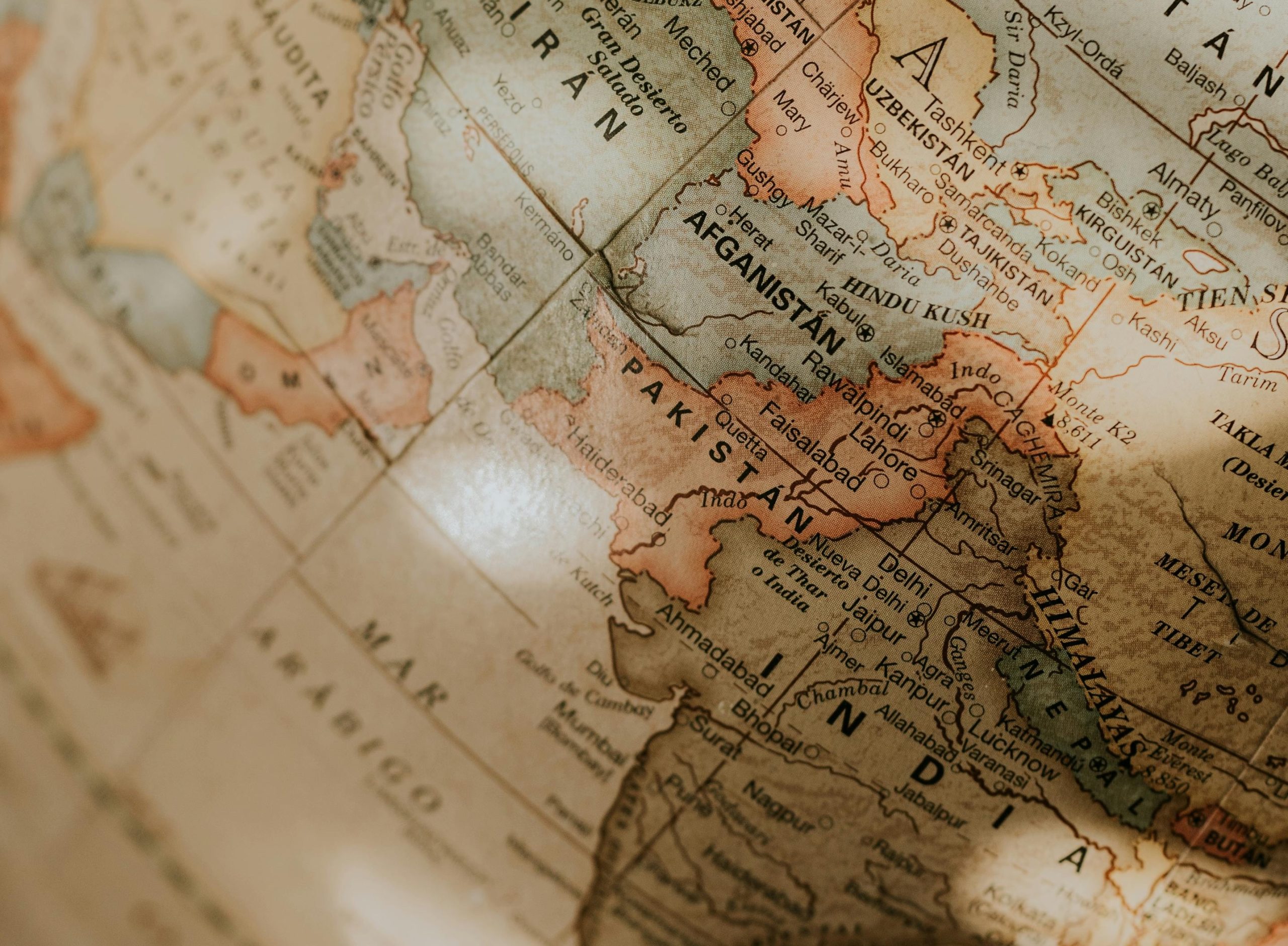
Header photo: Stock photo courtesy of Amar Preciado via Pexels.