


Iran (MNN) — Today is Revolution Day in Iran, a commemoration of the 1979 overthrow.
The 1979 Iranian Revolution toppled a U.S.-backed monarchy and established an Islamic Republic under Ayatollah Khomeini. It combined broad social grievances with religious leadership and had world-changing consequences for Iran’s political system, its relationship with the West, and the Middle East.
While traditionally marked with parades and speeches, this year’s anniversary is different.
“There is no celebration for Revolution Day. Any inclination by the people to ‘play nice’ with their oppressive regime is now overshadowed by the overwhelming pain of personal loss and grief,” Lana Silk of Transform Iran says.
“There is no pretending anymore. If anything, Revolution Day becomes a reminder of the day their country was ‘lost.’”
See updates from inside Iran here.
Revolution Day: then and now
Revolution Day 2026 lives up to its name following weeks of protests and state repression. Analysts say the unrest is the biggest challenge to Iran’s authoritarian rulers in decades.
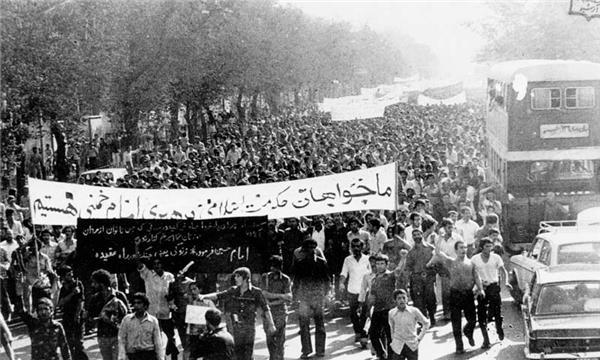
Demonstration of Sep. 8, 1978, the sentence on the placard: “We want an Islamic government, led by Imam Khomeini.”
(Islamic Revolution Document Center, Public domain, via Wikimedia Commons)
“If – and it is a big if – the regime has any support in the country, it is bought. Those marches we see are employees and direct contacts of the regime,” Silk says.
“Regular people are grieving what the regime has done to them.”
Iranians have lost not only freedoms, but also loved ones. Thousands of people are confirmed to have died in the government’s latest crackdown, while independent estimates suggest the toll could be in the tens of thousands.
Yet grief comes with a silver lining. Iran has the world’s fastest-growing church today.
“Before 1979, Iranians were ‘free’, chasing the pleasures of this world and consumed with spiritual apathy,” Silk says.
“[After] 1979, Iranians became oppressed and lost their freedom in almost every way imaginable — and a huge appetite for the Gospel engulfed the country.”
Preparing for change amid hardship
Transform Iran supports indigenous believers involved in church planting, discipleship, leadership development, business, project management, and strategic thinking. More about that here.
The ministry is well-positioned for change. “Iran’s regime is going to fall, and Iran will become open,” Silk says. “People, processes, and plans are ready so that when the doors open, we are ready to act and reach the WHOLE nation for Christ!”
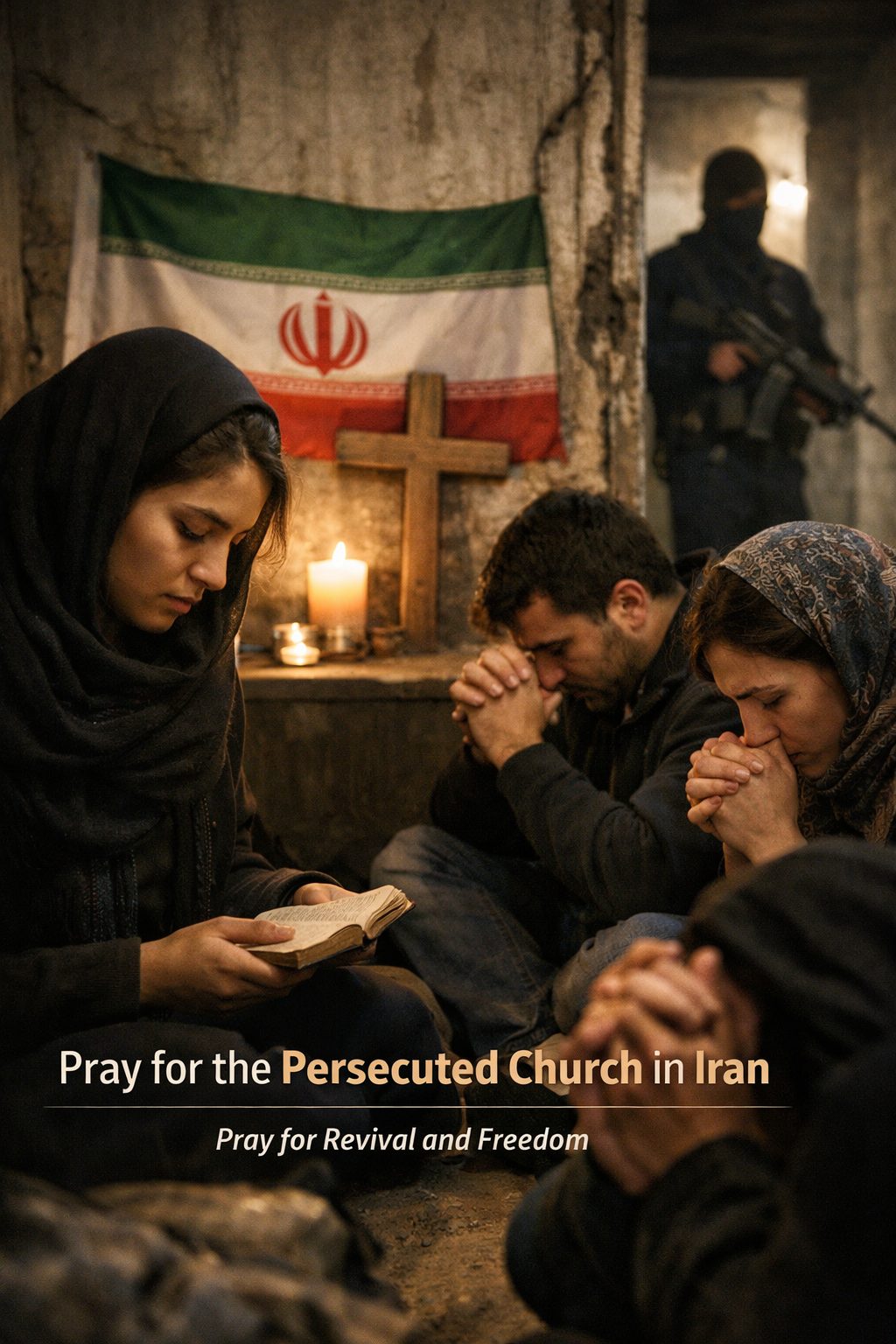
(AI photo generated by Chat GPT)
Until then, believers must endure the challenges of everyday life. “Iranians are hungry!” Silk says. “Food is limited in supply, and prices are out of reach. They need our help!”
Send aid to Iranian families here. “Please give where you can and bolster our efforts. It costs up to $150 per week to feed a family of four,” Silk says.
“We are OFAC certified and have the means to get it (the aid) there.”
Most importantly, pray. Pray that grief and oppression would continue to open hearts to the Gospel. Pray that the growing underground church would be strengthened and guided by the Holy Spirit, and that Iran would move toward freedom and openness so the nation can be reached with hope and truth.
“Christians are actively hunted down and ’taken out’” by Iran’s secret police, Silk says. Despite the risk, “Iranians are ‘counting the cost’ and deeming it 100 percent worthy,” she continues.
“When someone chooses to follow Jesus like this, then God fills and uses them in powerful ways.”
Header image depicts pro-Iranian protests in Eastern Europe circa 2026. Photo credit: MNN.


