


International (MNN) — Christian and Muslim holy days coincide this week, and Samuel* of Redemptive Stories says “it creates quite a Gospel moment.”
The beginnings of Lent and Ramadan overlap today. To an outsider, they might sound like the same season.
“For many Christians, Lent is a season of fasting, repentance, reflection, and preparation for Easter. For Muslims, Ramadan is a month of fasting, prayer, almsgiving, and heightened devotion to God,” Samuel says.
“I want to make sure I say this clearly: these are not the same.”
Lent vs. Ramadan

Ash Wednesday marks the first day of Lent.
(Photo courtesy of Ahna Ziegler/Unsplash)
While Lent observance varies widely among Christian denominations, many agree on the fundamental purpose. “It mirrors Jesus’ 40 days of fasting in the wilderness before He began His ministry,” Samuel says.
Christians who observe Lent do so “by fasting or giving up something, repenting of sin, practicing prayer and generosity, and reflecting on Christ’s sacrifice and suffering.”
Ramadan observance is stricter among Muslims. “Muslims fast from dawn until sunset, [abstaining] from food and drink, as well as other physical comforts. They also increase prayer. They give alms, they seek forgiveness, they hope to grow in submission and devotion to Allah,” Samuel says.
“Some of them will also read through the Quran in its entirety at least once, which is about the length of the Gospels in our Bible.”
While Lent and Ramadan share several similarities, “here is the key theological difference: Christians do not fast in order to earn God’s favor,” Samuel says.
“Lent prepares our hearts to celebrate the cross and the resurrection, where salvation was accomplished and not achieved by us.”
By contrast, Ramadan is obligatory for Muslims. Samuel says, “Fasting during Ramadan is one of the five pillars of Islam, and many Muslims believe it increases their spiritual merit and draws them closer to God.”
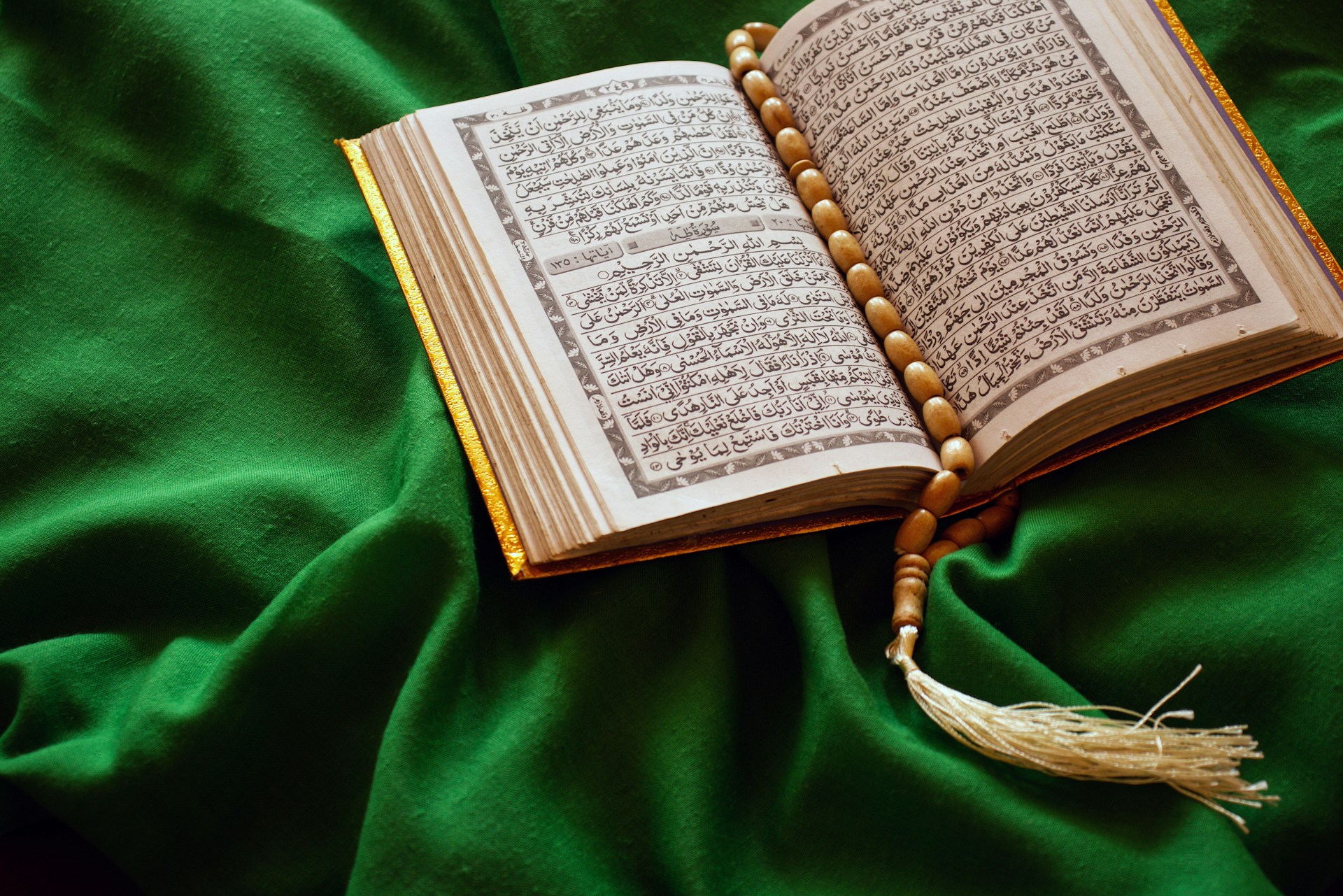
The Quran is the holy book of Muslims.
(Photo courtesy Ali Burhan/Unsplash)
While the theology behind Lent and Ramadan is different, he adds, “There is something powerful about the fact that millions of people are intentionally fasting and seeking God at the same time.”
Key takeaways
Hunger often awakens spiritual awareness. “When someone feels hunger daily for 30 days, they become more aware of their dependence, and that’s where believers, I believe, can lean in, not with argument, but with prayer; not with comparison, but with compassion,” Samuel says.
“Jesus said, ‘Blessed are those who hunger and thirst for righteousness.’ And during Ramadan, millions are physically hungry while spiritually seeking – that is not something to dismiss. It is something to pray into.”
First, pray for Muslims as they break their daily fast. “Set an alarm for sunset,” Samuel suggests. Pray that “as they hunger physically, they would hunger for true righteousness; that they would encounter Jesus in dreams and Scriptures; that they would discover grace.”
Second, pray for a revelation of God’s grace. “Pray that the difference between earning and receiving would become clear to them, and ask that the burden of performance would feel heavy,” Samuel says.
“Many friends I’ve spoken to, who have come to faith in Jesus Christ from a Muslim background, say [unloading the] burden of constant failure was transformational.”

(Photo courtesy of Heart4Iran)
Third, ask Jesus to reveal His saving truth to Muslims. “Many testimonies of believers who have come to faith in Jesus Christ from a Muslim background involved dreams, and specifically during Ramadan,” Samuel says.
“Pray that Jesus would reveal Himself, that seekers would meet believers, and that Scripture would become alive to people.”
Fourth, consider practicing generosity and hospitality toward Muslim friends. “It’s a very expensive time for Muslims,” Samuel says, explaining that meals for breaking the fast – known to Muslims as ‘iftar’ – are elaborate.
“Providing some food or even cooking a meal and bringing it over at sunset could be enjoyable. Do your best to provide halal foods,” he suggests.
*Pseudonym
Header image is a representative stock photo created for MNN by Chat GPT.


