Iran (MNN) — On February 28, 2026, Israel and the United States launched coordinated strikes on sites across Iran, yet the response of Iranians is hope mixed with uncertainty.
Despite the risk of broader war, many Iranians are viewing events with expectation rooted in their history and spiritual heritage. Farshid Mehdi with Trans World Radio explains why.
-
First, Iran — historically known as Persia — features prominently in the Old Testament narrative.

Zerubbabel shows Cyrus the Great a plan of the rebuilt Jerusalem (by Dutch painter
Jacob van Loo via Wikimedia Commons)
“In Esther, Nehemiah, Ezra, and Daniel, you see the Persian kings supporting the Jewish people,” Mehdi says.
In Ezra, King Cyrus of Persia issues a decree allowing the Jews to return to Jerusalem and rebuild the Temple. Later Persian rulers support the restoration of the city’s walls and institutions, and in Esther the king intervenes to prevent the destruction of the Jewish community.
“This shows that Persia had a relation to God’s plan,” he explains.
From this perspective, Persia played a part in the coming of the Messiah — a legacy many Christians in Iran see as relevant today.
2. Second, Islam is not native to Persia.
Muslim armies conquered the region in the seventh century. Persian identity endured through writers like Ferdowsi, Khayyam, and others, but earlier religions were gradually suppressed as Islam became dominant. The 1979 Islamic Revolution later reshaped the nation’s political system.
“They changed the name of Iran, Persia, to Islamic Republic of Iran,” Mehdi says.
He adds that the new system positioned itself in opposition to Israel, despite the long historical ties between the two nations.
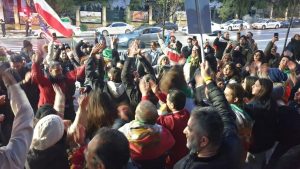
Iranians rally in Tbilisi and worldwide voicing support for the United States and Israel, March 1, 2026 (photo courtesy of MNN).
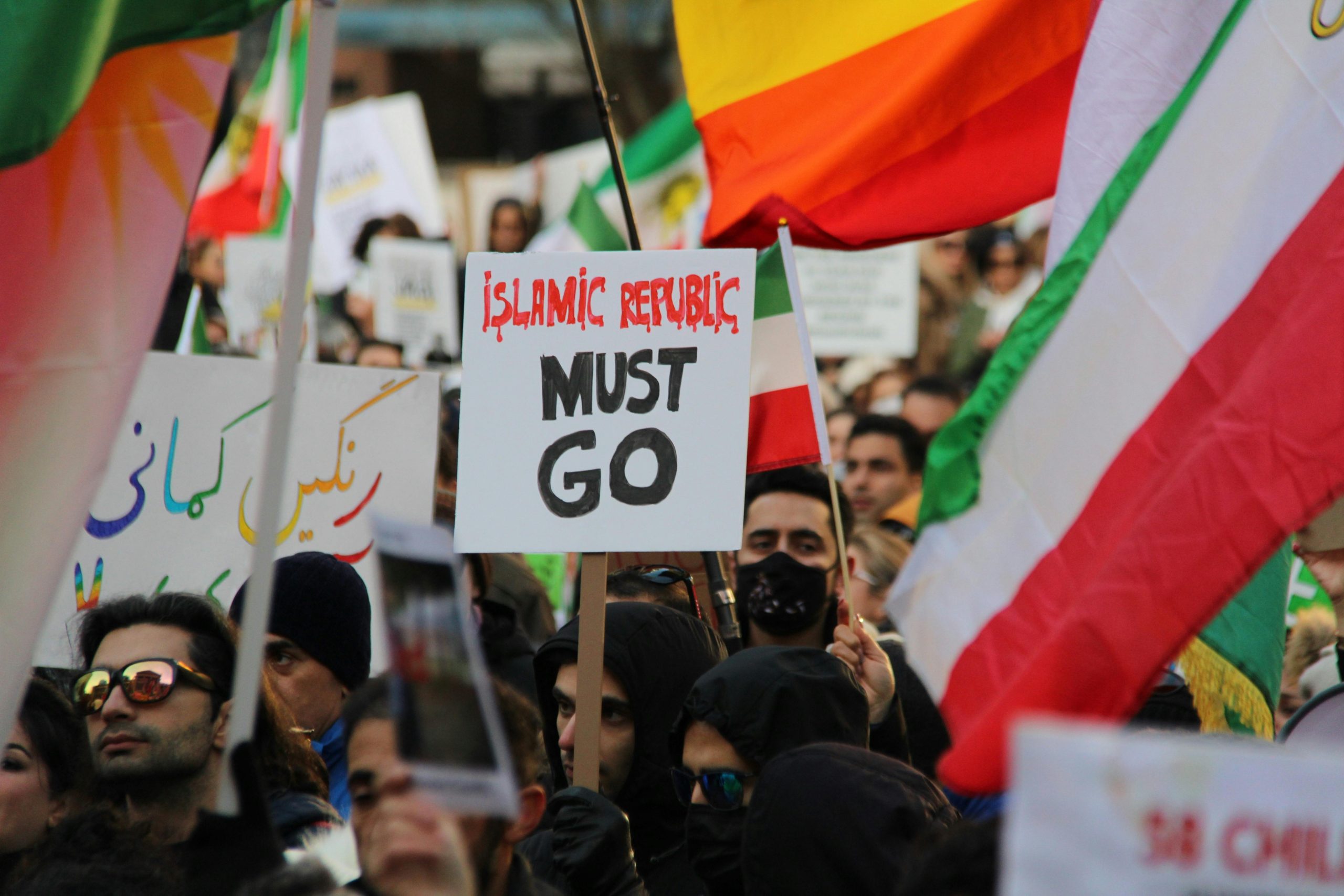
Today, many Iranians see the current Islamic system as disconnected from their historic identity. That frustration has fueled protests and calls for the return of Reza Pahlavi.
It has also led many to respond positively to news of potential political change and the possibility of restored peace in the region, including with Israel.
3. Finally, there is God’s promise concerning Iran.
In Jeremiah 49:38, God says, “I will set My throne in Elam.”
Elam was an ancient kingdom in what is now southwestern Iran. In that passage, God declares judgment on Elam but also promises restoration in the latter days.
Many Iranian believers hold on to that promise despite pressure and persecution.
Mehdi urges Christians to pray: “Pray in the name of Jesus that the power of Satan will be broken and that freedom will come to the country!”
Join Iranian believers in praying for their nation. TWR’s Persian World Radio continues broadcasting to listeners in Iran and the diaspora. Learn more about their work here!
Header photo: Persepolis, Iran (courtesy of Yare zaman2000 via Wikimedia Commons).