Nigeria (MNN) — Is violence against Christians in Nigeria random, or is it targeted? A new study from the Observatory of Religious Freedom in Africa (ORFA) has brought in more data.
The six-year study of nearly 80,000 killings in Nigeria found that Christians are disproportionately targeted by violent groups. Between 2020 and 2025, about twice as many Christians were killed as Muslims.
That’s not all. The study also revealed a clear leader in the violence: Fulani militias were responsible for nearly four times as many civilian deaths as Boko Haram and Islamic State of West Africa Province (ISWAP) combined.
Reverend Yunusa Nmadu is the CEO of Christian Solidarity Worldwide in Nigeria and a friend of Voice of the Martyrs, Canada. He challenges three widely held narratives about violence in Nigeria — narratives that the ORFA study also challenges.
“These false narratives are not merely academic concerns. They have real-world consequences, shaping international policies and responses, and determining whether vulnerable communities receive the protection and support they desperately need from their brothers and sisters around the world,” he says.
Violence does not affect everyone equally
The first narrative Rev. Yunusa challenges is that “violence in Nigeria affects everyone equally.”
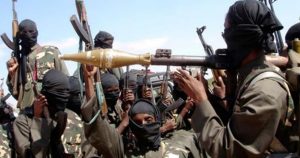
Boko Haram militants (Photo courtesy of VOM Canada)
He acknowledges different conflict dynamics in Nigeria, which have to be studied individually. In northeast Nigeria, for example, he points out that terrorist organizations such as Boko Haram and ISWAP operate in strength.
“While these groups expanded their violence to include attacks on Muslim communities, the historical record demonstrates unequivocally that their campaign began with systematic targeting of Christian areas, which continues with particular impunity or intensity,” says Rev. Yunusa.
Meanwhile, the “Middle Belt” of Nigeria contains what he calls systematic ethnic religious cleansing.
“Fulani militias, recently designated as terrorists under the Nigerians’ new counter-terrorism doctrine, conduct systematic attacks that exclusively target Christian communities and individuals,” says Rev. Yunusa.
“These are not random acts of banditry or resource competition. They are a calculated campaign of ethno-religious cleansing, characterized by mass killings, abductions for ransom, sexual violence, forced displacement, and subsequent occupation of vacated ancestral homes of their victims.”
The herder-farmer clash is land conquest, nothing less
The second narrative Rev. Yunusa challenges is that “Muslim Fulani herdsmen clash with Christian farming communities simply because of limited resources.”
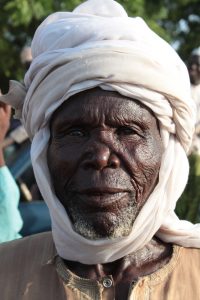
A Fulani tribesman in Nigeria. (Photo courtesy of Tagoua/Pixabay)
He points to the disparity in weapons between farmers and herdsmen as one indicator that this is false.
“Farmers defending their ancestral lands are armed with hoes and machetes, and occasionally homemade hunting rifles. Their attackers arrive with AK-47 assault rifles, rocket-propelled grenades, and in some documented cases, anti-aircraft weapons,” says Rev. Yunusa.
“How can anyone claim to be a herder while carrying sophisticated weapons, attacking farmers, and occupying their lands? This is not resource competition; it is forcible displacement and territorial conquests.”
He continues, “Climate change and resource pressures are real phenomena, but they do not cause communities to conduct systematic religious cleansing. Economic hardship does not explain why churches are specifically targeted for destruction.”
Radical Islam fuels attacks against Christians
The third narrative Rev. Yunusa debunks is that “the attacks by Boko Haram, ISWAP, and Fulani militants are not religious in nature at all.”
He says this narrative requires us to ignore not only extensive evidence but also the messages that Islamic terrorist groups themselves declare.
“Boko Haram’s very name translate roughly as ‘Western education is forbidden’ — a reference to their theological objection to secular education and their goal of establishing an Islamic state governed by Sharia law. From its inception, the group has explicitly framed its campaign in religious terms, declaring its intention to cleanse Nigeria of Christian influence, a term it uses interchangeably with Western influence.”
After conducting an attack in Adamawa State in December 2025, ISWAP released a statement announcing the legitimacy of targeting Christians.
“We are not dealing with criminals who happen to be Muslims attacking victims who happen to be Christians. No, we are witnessing ideologically motivated religious violence,” says Rev. Yunusa.
Find your place in Nigeria’s story
God is a God of truth. Pray that the message of Christ and the truth about Christian persecution in Nigeria will spread, leading to action.
Rev. Yunusa calls for six action points from those who hear: “First, maintain moral clarity. Second, support documentation efforts. Third, condition engagements with Nigeria on the protection of religious minorities. Those who can should hold our government to account. Fourth, support civil society and FoRB defenders [Freedom of Religion or Belief]. Fifth, address the humanitarian crisis arising from these violences. Sixth, prepare for accountability.”
Rev. Yunusa says that the Christian communities he speaks for are not asking for charity or pity, but for truth, protection, and justice.
“They are asking the international community to see them, to hear them, and to stand with them in the darkest hour — when terrorists declare Christians legitimate targets, when militias systematically clear Christian villages, when churches are destroyed, and clergies are kidnapped and, in some cases, killed, when women are violated and children are orphaned when government treats victims more harshly than perpetrators,” says Rev. Yunusa.
“This is not insecurity. This is not herder-farmers clash. This is not communal violence. This is persecution. This is ethno-religious cleansing, and in the Middle Belt, this bears the clear hallmarks of genocide.”
Listen to Rev. Yunusa’s full analysis and passionate explanation of Christian persecution in Nigeria at Voice of the Martyrs Canada’s website.
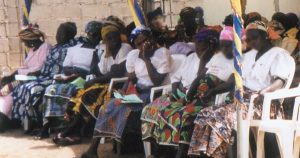
A church in Nigeria. (Photo courtesy of VOM Canada)
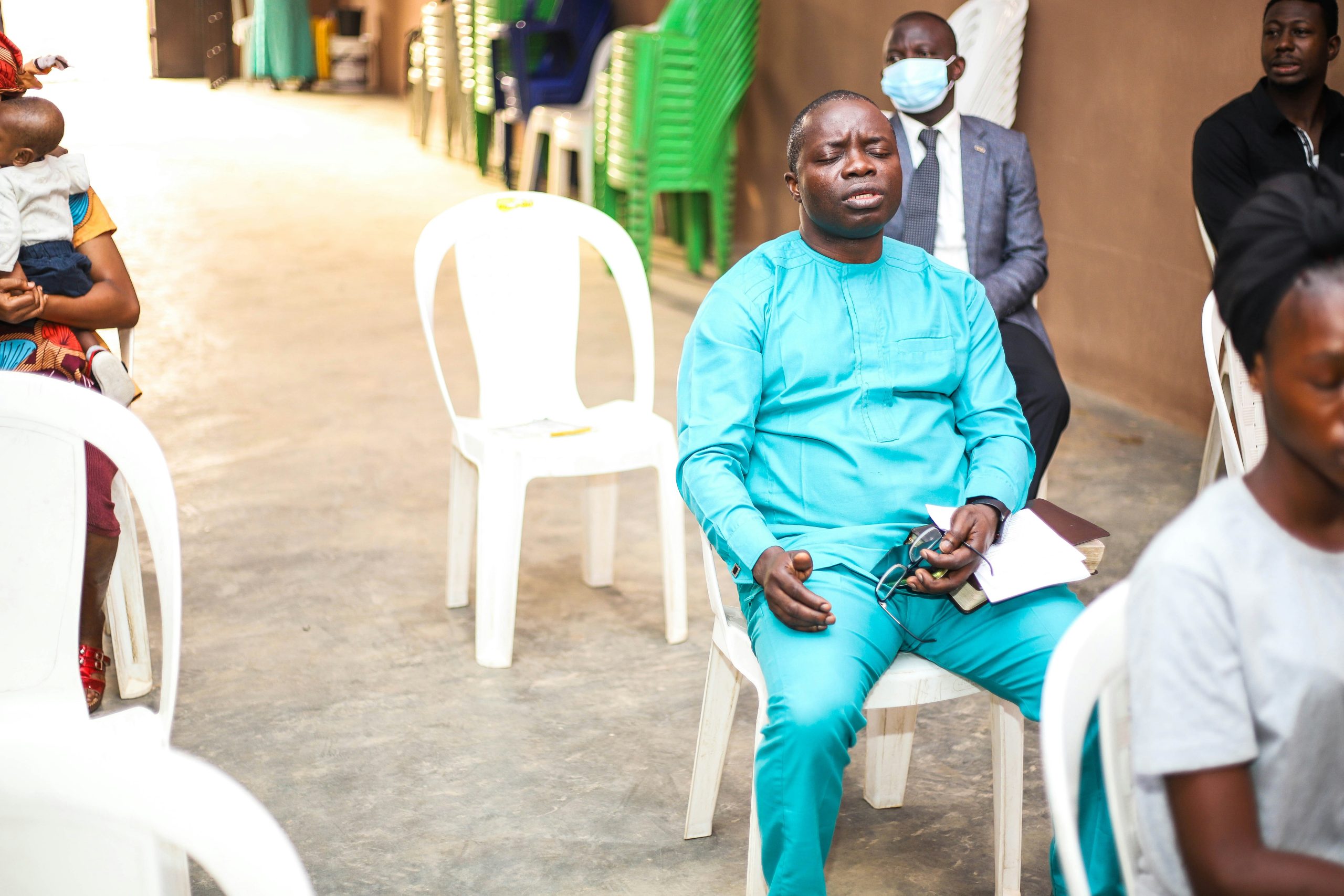
Header photo courtesy of Gracious Adebayo via Unsplash.