Middle East (MNN) — Renewed strikes between Iran and the United States continue to place other Middle Eastern states in the crosshairs.
Over the weekend, Iran declared the Strait of Hormuz to be closed indefinitely. But on Monday, the US said that it plans to reinstate its naval blockade on Iran to keep the international waterway open, calling for a 20% reimbursement fee on cargo that passes through.
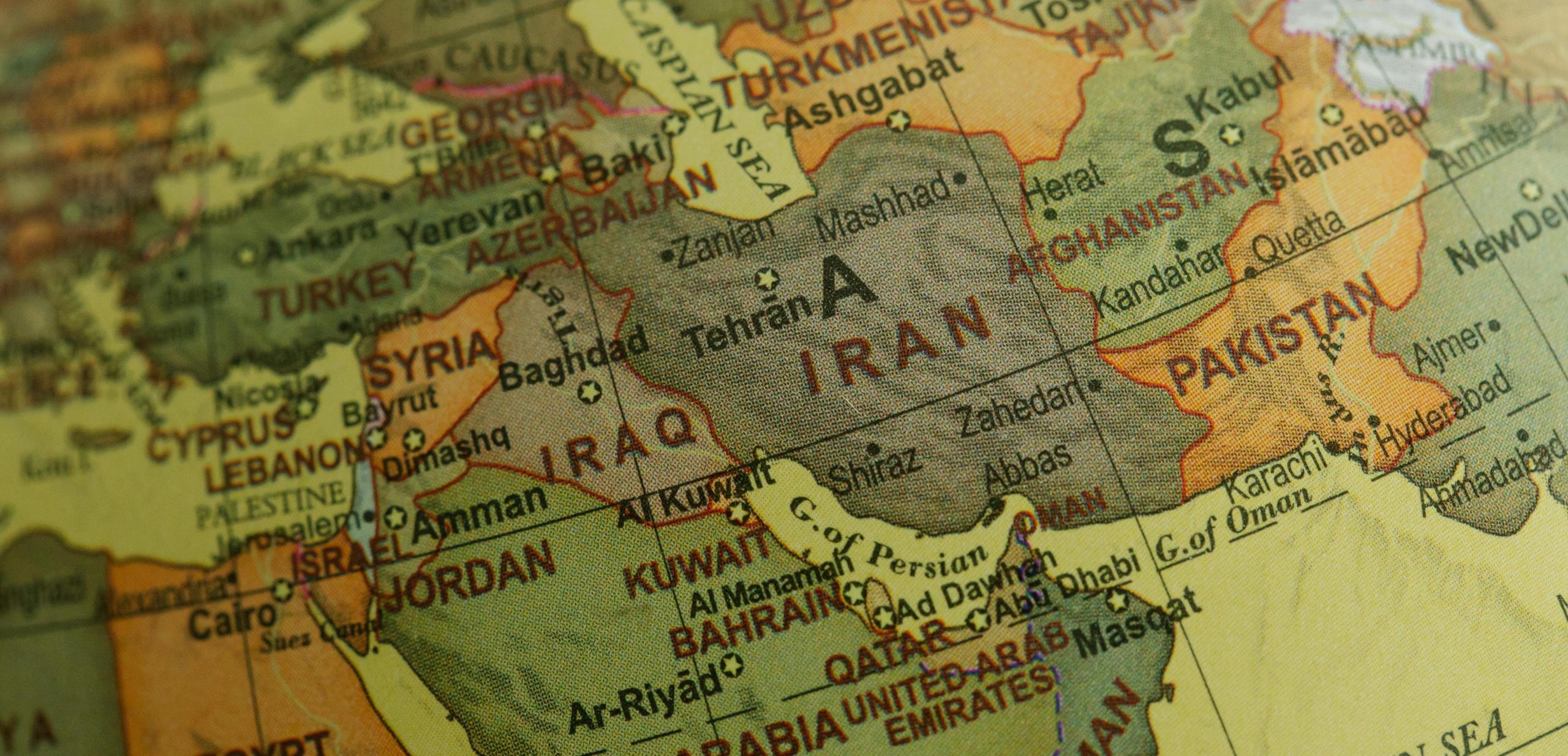
It’s a continued fallout from the events of last week, when Iran’s alleged attacks on three ships in the Strait of Hormuz led the US to reimpose oil sanctions and strike targets within Iranian territory. Iran responded to these attacks by firing missiles at US military bases in Jordan, Bahrain and Kuwait.

Women in Iran wearing the traditional hijab and loose-fitting clothing required by Sharia law. (Photo courtesy of Mostafa Meraji/Unsplash)
(If you think, “haven’t we seen this before?” you’d be right. It’s essentially a rerun of early June tensions between the US and Iran that involved these US military base host countries as well.)
Samuel* with Redemptive Stories believes cross-border strikes like these will likely continue as Iran exerts whatever influence it can toward its own goals.
“They’re using whatever leverage they possibly have, and they’ve known that this is impactful on the US relationship with those countries,” he says.
A spokesman for the Iranian military drew stark lines when he said this week that Iran will consider any cooperation with the US by other countries to be an act of war against itself. Already in the past week, Iran has attacked defense systems or US military bases within Oman and Qatar, in addition to Jordan, Bahrain, and Kuwait.
“The Iranians are not going to back down, because they’ve already lost so much and they’re just going to keep fighting. We’ve seen that over and over again — their honor imposes upon them the continued pressing forward of this war,” says Samuel. “Then our current [US] administration doesn’t want to back down either. So I don’t know what it would take to actually bring about some semblance of peace.”
Negotiations between Iran and the US have not been entirely discarded. However, the Iranian regime’s big-picture intent was clear during the funeral procession and ceremonies for its former Supreme Leader Ayatollah Ali Khamenei, which took place in early July. Crowds carried banners and signs calling for the death of US President Donald Trump and promising revenge. (More on that here.)
The regime’s hostile intent doesn’t just stop with Western leaders and their regional military allies. Samuel says gospel workers in Jordan and other Middle Eastern nations could be at risk of becoming scapegoats.

Tehran, Iran (Stock photo courtesy of Seyed Amir Mohammad via Unsplash)
“The heart or the center of evangelicalism is often by the whole world viewed as the United States. Whether that be true or not, it is viewed that way,” he says. That means political decisions by the US have ramifications for Christians in the Middle East.
“Pray for peace,” Samuel says. “Pray for a different perspective, perhaps, from the US administration toward this conflict, that they would find a way to have a positive outcome [from] this. And pray for our brothers and sisters on the ground in those areas, [that] God would protect them.”
Pray for God to advance the work of the gospel in the Middle East.
*Pseudonym
Header photo courtesy of Lara Jameson via Pexels.