Iran (MNN) — The renewed strikes between the United States and Iran that started earlier this month have increasingly complex domino effects. And neither side looks like it will back down anytime soon.
One recent development comes from Yemen, where the Iran-backed Houthis have threatened to blockade Saudi Arabia in the Red Sea shipping route. (For more on the Houthi-Saudi dynamics, find our recent report here.)
Other layers continue to surface as Iran makes retaliatory strikes on Arab nations that host US military bases. Not only has Iran targeted US assets but it has also damaged civilian infrastructure, such as a desalination plant in Kuwait this week.
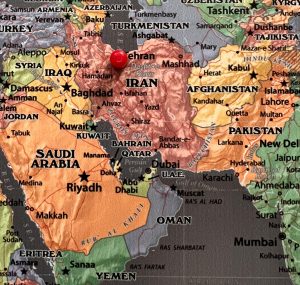
(Stock photo courtesy of user named mana5280 via Unsplash)
And within Iran, the US has continued nightly strikes for two weeks on military targets. According to Iran’s Health Ministry on July 18, at least 50 people have been killed in Iran by US strikes since July 6. The US has disclosed the deaths of only two US service members since July 6, with one reported mission in action.
In all these complexities and others, Lana Silk with Transform Iran says, “It’s very tempting to try to put things in neat boxes and ‘take camp’ and say, ‘There’s no other way to look at the situation.’”
Instead, she says we need to make space to understand the subtleties involved in the conflict. That can grow with patience, prayer, observation, and by seeking to understand history and the bigger picture.
Although the war is unpopular with some in the United States, Silk says it would be bad for Iran and long-term bad for the world if the US backs down now against the Iranian regime.
“I’m absolutely convinced of it. To leave the regime as it is now… Yes, it is weakened. Yes, there are factions, but it is not a new regime, and it is not changed in its objectives and its resolve,” says Silk.
“All we would be doing would be giving them the opportunity to strengthen themselves, lash out at their own people, and then later on lash out at the West.”
Strategic prayers start from the top down
If you’re not already doing so, please pray for wisdom for Western leaders. “We do welcome intervention,” says Silk, “but God give them wisdom in how they do it. This is not an easy path for anyone.”
Praying for leaders in the conflict should include those in Israel, says Silk. “They’re right now a little more [in the] backseat, but they’re very much in this game.”
Within Iran, there are different ways to pray for God to move. Silk says to pray for Damascus Road conversions among Iranian leaders. Pray in line with verses from Psalm 10 that the Islamic government would experience further fractures.
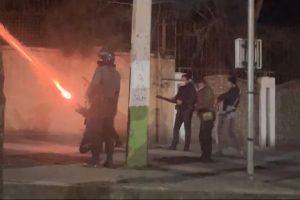
Security forces open fire on street protestors in Iran, January 2026. (Photo courtesy of Transform Iran)
Pray also for the Iranian people, who are experiencing great pressure and increasingly brutal treatment from the regime. In Transform Iran’s response to the US-Iran tensions, Silk says their highest priorities are the spiritual and physical welfare of the people.
“Whether it’s pastoral care, trauma counseling, or practical aid, what can we be doing to get alongside the people in Iran?” she says. “There are real daily struggles for people. How do they feed their kids? How do they cover the medical needs of their loved ones? How do they pay their rent? Pray that God would cut through all of that, reveal Himself, and give them the hope that is lasting in this really difficult time for them.”
Transform Iran regularly hears stories about God at work among individual people in Iran.
“We have to remember God sees every single person where they are at, and He’s meeting them. The Word of God tells us that if we seek Him, we will find Him,” says Silk. “When they [Iranians] are pursuing that kind of clarity of truth and wanting to please God, oftentimes God is revealing Himself to them.”
Find out more about Transform Iran’s multifaceted media and ministry work here.

A woman from Iran (Stock photo courtesy of Milad Fakurian via Unsplash)
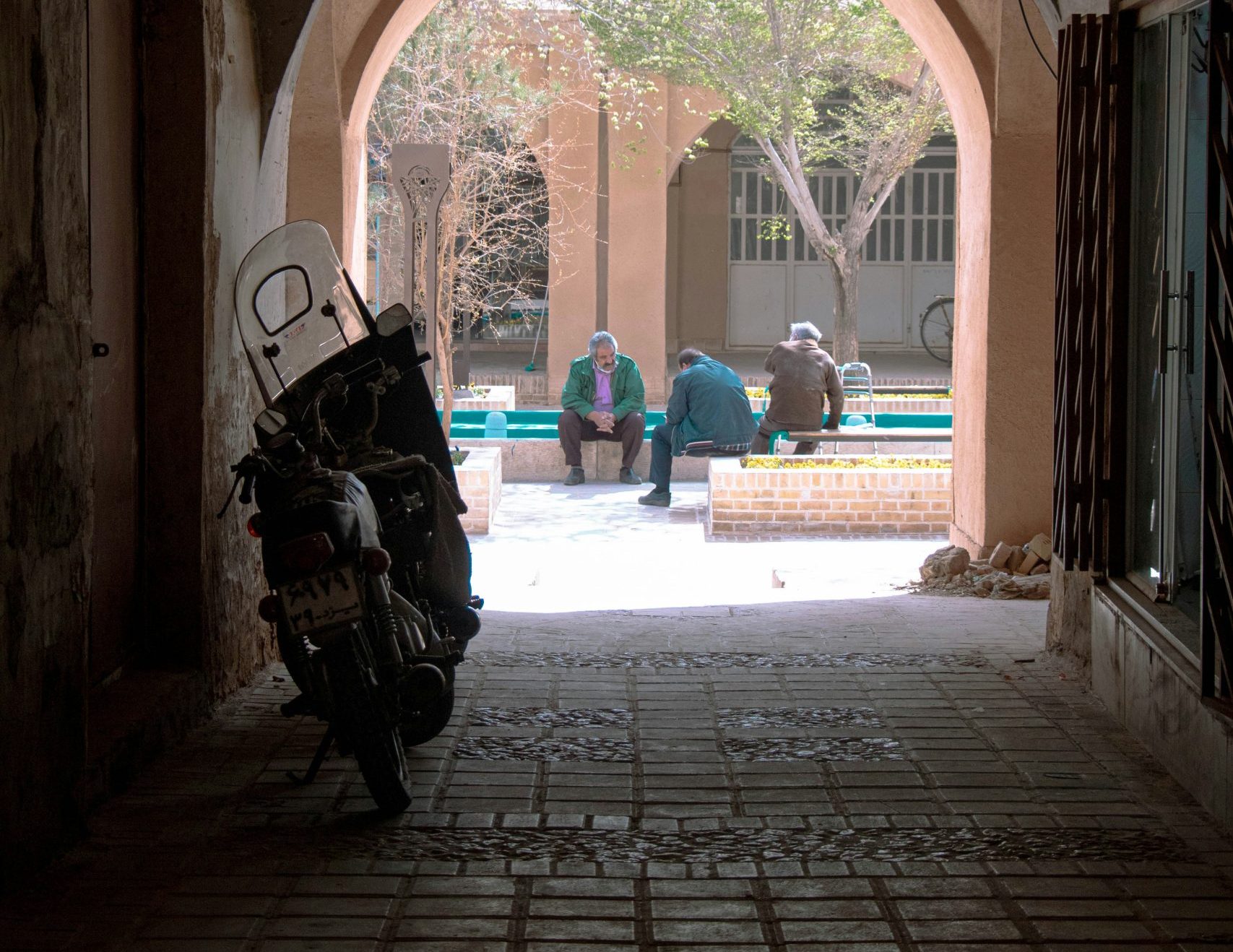
Header photo of men in Iran is a stock photo courtesy of Parastoo Maleki via Unsplash.