


International (MNN) — Certain images come to mind when you hear “Bible study.” Perhaps you picture a small group of people sitting at a table with Bibles and notebooks open, pens in hand.
But what does it look like in a Deaf context? DOOR International’s Rob Myers explains four key differences between Bible studies done in Deaf or Hearing communities.
Language and format
First, in a Deaf Bible study, “everybody’s using sign language,” Myers explains.
“Just like we would love to have a Bible study in English, in our native language, Deaf people would love to study the Scripture in their own native language, whatever sign language that is.”
Secondly, because sign language is three-dimensional, Deaf Christians typically study God’s Word through video, not a book. When video is unavailable, Deaf church planters may act out a passage so people can see what happened.
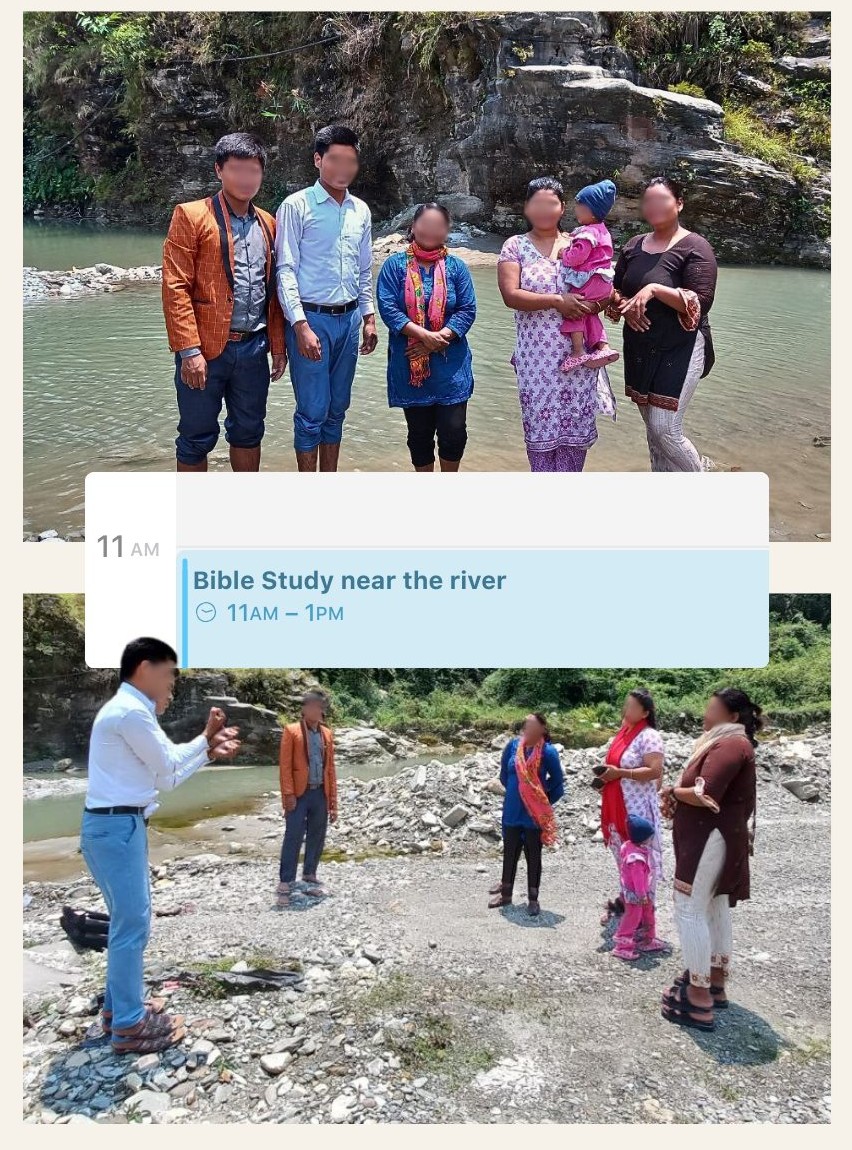
Deaf Bible study in a rural location
(Photo courtesy DOOR International)
“They might be looking at the Scripture on a phone [or] we even have technology that allows leaders to project a video Scripture onto a wall, so that people can watch the Scripture and then interact with it,” Myers says.
“One really cool technology called a LightStream is available through a partner of ours named Renew World Outreach,” he continues.
“It’s about the size of your cell phone, but people connect to it through a local Wi-Fi network the device sets up, and they can download [sign language] Scripture on their phone without using any external data at all.”
Information and style
Context is a third critical difference. When Deaf believers study the Bible, they’ll start with the passage’s context before digging deeper.
“A lot of Deaf people grow up in families where everybody around them is hearing, so Deaf people oftentimes miss a lot of context,” Myers explains.
“When you name someone like Moses, Joshua, or Jesus – even if this Deaf person grew up in a Christian family – they might have seen that name before, but they might not be able to place where they are in the timeline or what’s going on around them.”
Finally, “Deaf people come from communities that are very oriented toward group processing,” Myers says. That means nearly everyone participates, regardless of group size.
“Rather than having one person lead, and one person give the answers, many times, Deaf people contribute all of the information that they have to [ensure] the passage is clear.”
Why does it matter?
Whether Deaf or Hearing, everyone deserves access to God’s Word. Consider helping DOOR translate more of God’s Word into the world’s sign languages.
(Photo courtesy DOOR International)
“Out of [the world’s] 300 sign languages or so, only 100 have active Bible translation happening,” Myers says.
“We would love to have you partner with some of these (Deaf) communities that don’t yet have Scripture.”
Most importantly, pray. “One huge prayer request is that God would continue to raise up workers and leaders within these communities to do Bible translation in their sign language,” Myers says.
Pray also for clarity for Deaf teams as they learn new approaches to translation work.
Header image is a representative stock photo depicting a women’s Bible study. Photo courtesy Daniel & Hannah Snipes/Pexels.


