


International (MNN) — Today is the International Day of Sign Languages, highlighting access needs in the global Deaf community and knowledge gaps among the hearing.
More than 70 million people around the world are deaf, according to the World Federation of the Deaf. The majority – over 80 percent – live in developing countries. Collectively, they use more than 300 unique sign languages.
Many people in the Deaf community remain cut off from essential information. While closed captioning helps some, this service is not universally available and doesn’t meet the needs of all Deaf people.
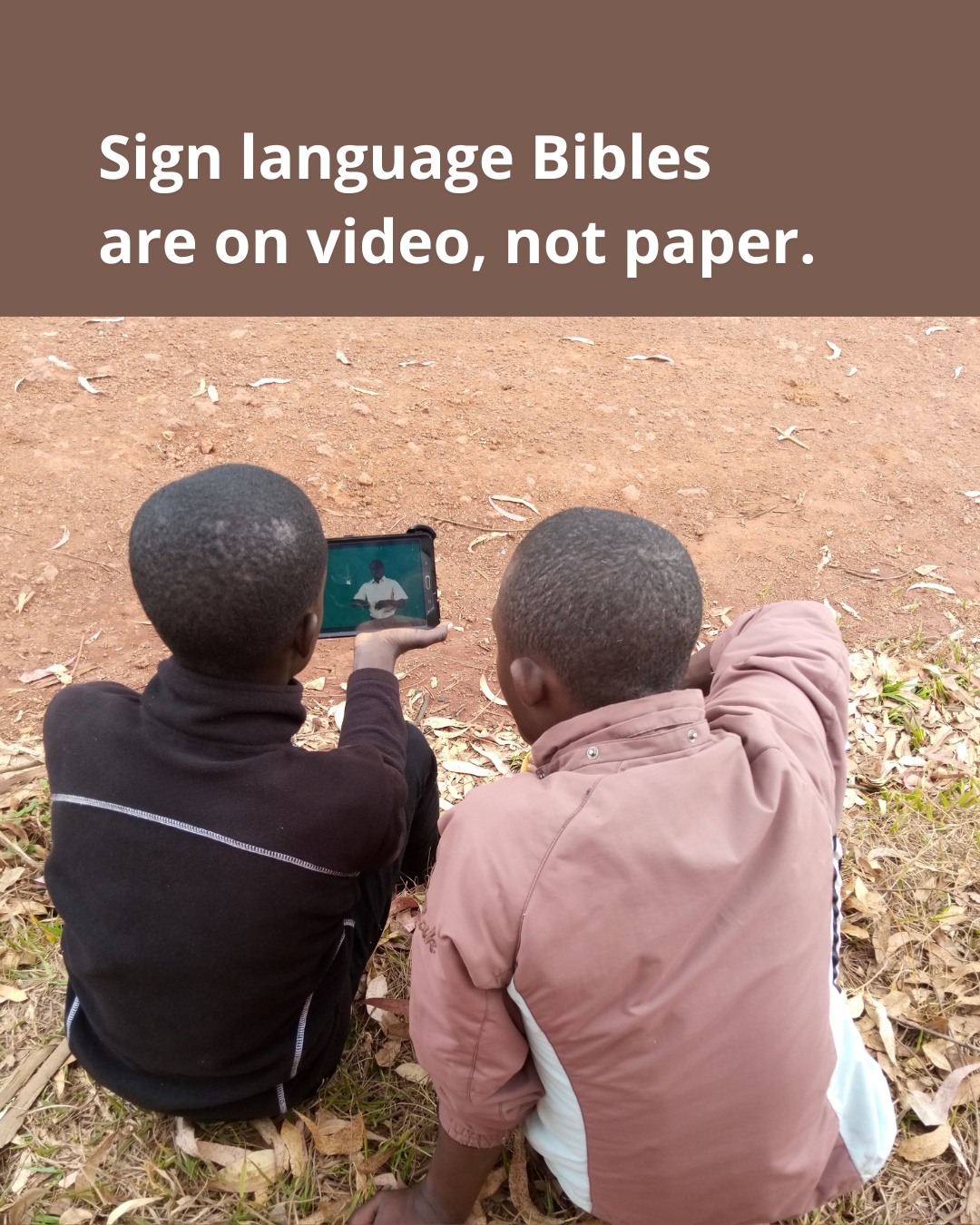
(Photo courtesy of DOOR International)
“For us as hearing people, we think of reading as a visual activity, and so we think, ‘Oh, deaf people should be fine just with captions,’ but what we don’t realize is that reading is a sound-based activity for hearing people,” DOOR International’s Rob Myers says.
“We learn to read by first hearing and speaking a language, and after we become fluent in that language, then we go on to learn how to sound out letters connected to the language that we already know,” he continues.
“They (Deaf people) miss all of that sound-based activity growing up, and reading becomes a very different exercise.”
Challenging assumptions
International observances like the International Day of Sign Languages and the International Week of the Deaf, always held during the last week in September, serve as essential awareness tools for the majority-Hearing community.
“For most of us – not having grown up around Deaf people – we don’t know things like there’s more than one sign language around the world,” Myers says.
“We assume sign language and English are the same language when they’re not.”
Myers held assumptions like these before he became involved in Deaf ministry. The recently assassinated political activist Charlie Kirk faced criticism earlier this year for similar views.
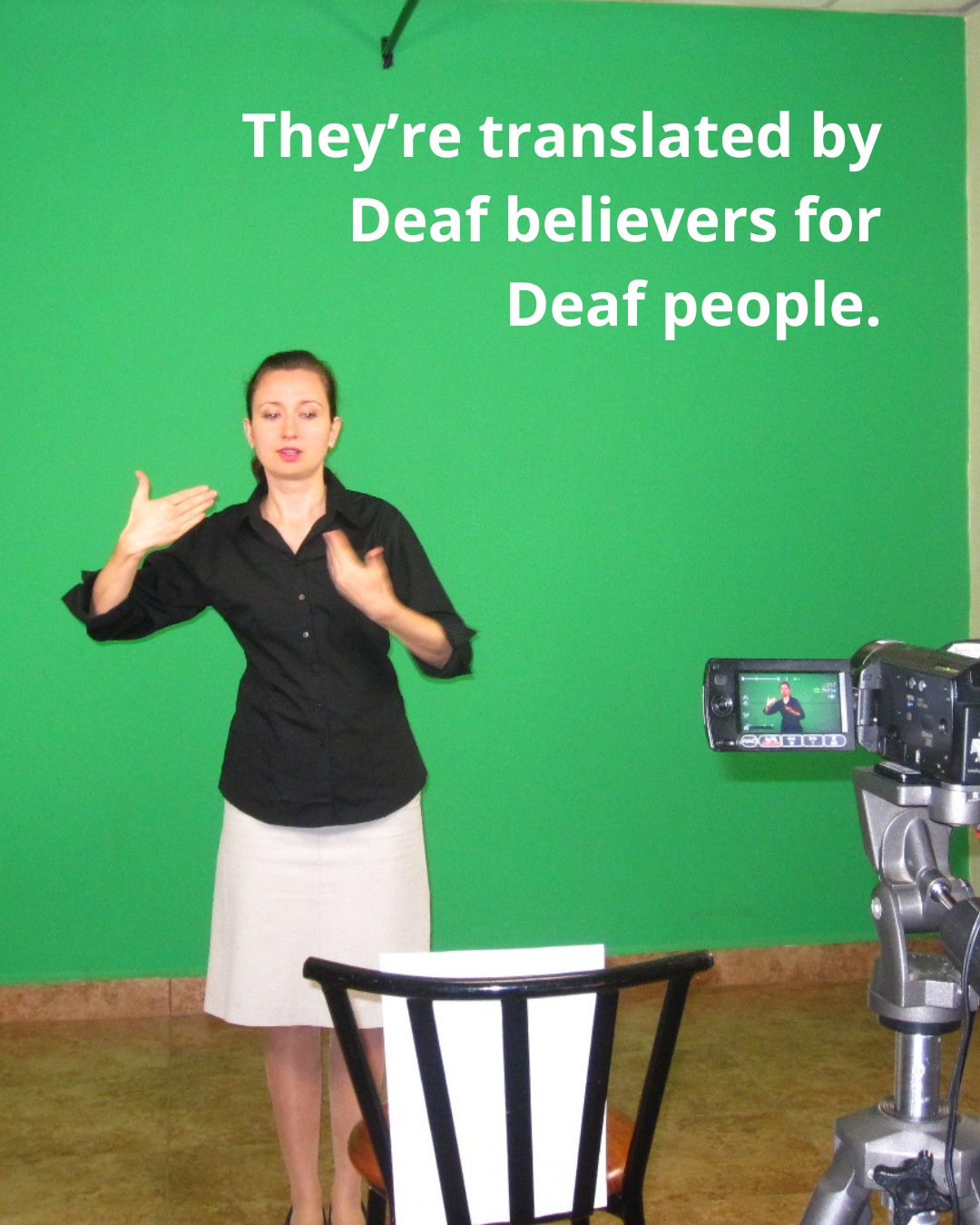
(Photo courtesy of DOOR International)
“He commented that it seemed the interpreter was distracting, and deaf people could just use captions through reading. Someone helped him understand that some Deaf people have access to written language. They can read, but many, many deaf people struggle with reading… And that’s one of the reasons that sign language is so critical to the Deaf community,” Myers explains.
“Charlie, to his credit, published a video explaining how he had misunderstood, and others had come to him and explained this, and he now recognized why sign language interpreters are so, so critical.”
Ongoing barriers and a call to action
Although awareness tools can help us move from ignorance to understanding, significant communication barriers remain. “Less than half of the countries around the world recognize sign language as one of the official languages of their country,” Myers says.
“If Deaf people’s first language is a sign language, then not having access to information – particularly from our vantage point, not having access to the Gospel – is a critical gap.”
By partnering with DOOR, you can help Deaf communities access the most critical information of all – the lifesaving Gospel message of Jesus Christ.
“DOOR is empowering Deaf leaders to be sent out as missionaries to share Jesus and make disciples, and then to train those leaders to begin translating the Bible into their various sign languages,” Myers says.
Header and story images courtesy of DOOR International.


