Lebanon (MNN) — Representatives from Lebanon and Israel met this week at the United States Embassy in Rome. At the end of the two-day gathering, they had agreed on further details about a “pilot zone” process.
The timeline for when this pilot zone process would start has not been agreed upon yet. However, under the plan, Israel would soon withdraw from two small areas in southern Lebanon. Then the Lebanese army would step in to establish control (“sovereignty”) regarding Hezbollah.
If you have followed the Israel-Hezbollah conflict, you know these would be delicate and complicated steps. While Lebanon’s government is calling for the complete withdrawal of Israeli troops from Lebanon, Israel has a vested interest in staying in southern Lebanon until Hezbollah is disarmed.
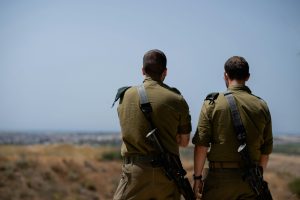
Israeli officers (Stock photo courtesy of Levi Meir Clancy via Unsplash)
“Ancient villages are being wiped off the map,” says Pierre Houssney with Horizons International. “Hezbollah has a presence. It’s a Shiite Muslim organization/ethnic group that basically is trying to hang on to that land. The struggle between them [Hezbollah and Israel] has left so much collateral damage.”
Over 1 million people in Lebanon have been displaced since Hezbollah reignited its war with Israel in March 2026. An estimated 40 percent have returned, but many have had their homes damaged or reduced to rubble.
Ministries like Horizons haven’t escaped the losses in the past few years of conflict either. Horizons’ newly outfitted medical center in southern Lebanon was occupied in 2024 and damaged. Houssney says they don’t expect to be able to restore or regain use of that center anytime soon.
Yet God is still at work in southern Lebanon’s continued turmoil. Houssney says the destruction has made it difficult for local churches to function. But spiritually, the story is different.
“It’s an exciting time to be in Lebanon, because for the past 15 years, we’ve seen so much fruit spiritually. The last 15 years, we’ve seen more people come to Christ than we’ve ever known about historically in the past 1,500 years, and so there’s definitely a revival happening,” he says.
“Whenever we share the gospel with people, people are giving their lives to the Lord. We’re baptizing them. We’re helping these churches to provide for their needs. But it’s a time of displacement. It’s a time where people have to run away from their homes. People are under anxiety. People are being traumatized.”
Some news coverage may leave the impression that all Muslims in the Middle East are hostile to Christians. Houssney says that isn’t true in Lebanon.
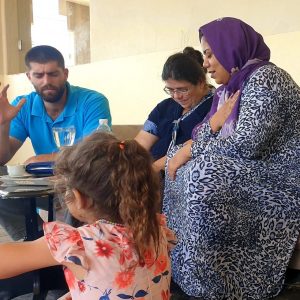
Throughout Lebanon, Horizons staff members meet with people in their homes to share the Gospel and pray together.
(Photo, caption courtesy of Horizons International)
“A lot of Muslims, even if they don’t come to Christ, they’re open to Christian activity. They see us as a blessing in their community,” he says. “The political dimension, that’s where a lot of violence and bad things are happening, and those are the things that get to the news.”
Houssney encourages prayers not only for Lebanese churches, but for local churches across the Middle East in several big-picture aspects.
Pray for strength for believers as they serve people experiencing displacement, trauma, and anxiety.
“We’re finding that a little bit of resources and personal care, when we go to these refugees or to the Muslim populations, it goes a long way to actually [bring] reconciliation instead of just the continuation of division and violence,” says Houssney.
He also encourages personal connections with these believers, wherever you live.
“If you know somebody that has connections in the region, try to reach out to churches there and see what they need, because they really need the global church’s support right now,” says Houssney.
Pray for peace to reach the hearts of leaders, governments, and groups who are influencing war.
“Pray that people around the world, especially [those] who are in places of influence, would give up violent tactics and give up the ethnic hatred that is leading to war. I know there’s a lot of financing of war and a lot of bombs being transferred and built,” says Houssney.
Finally, pray for wise endurance for leaders of churches and ministries.
“They struggle with being overworked and overburdened and too many needs around them,” Houssney says. “We could pray that God would give them wisdom and peace in their hearts and show them what they need to do to serve, and also when it’s time to say ‘enough,’ ‘I need to rest,’ or ‘I need to take care of my family.’”
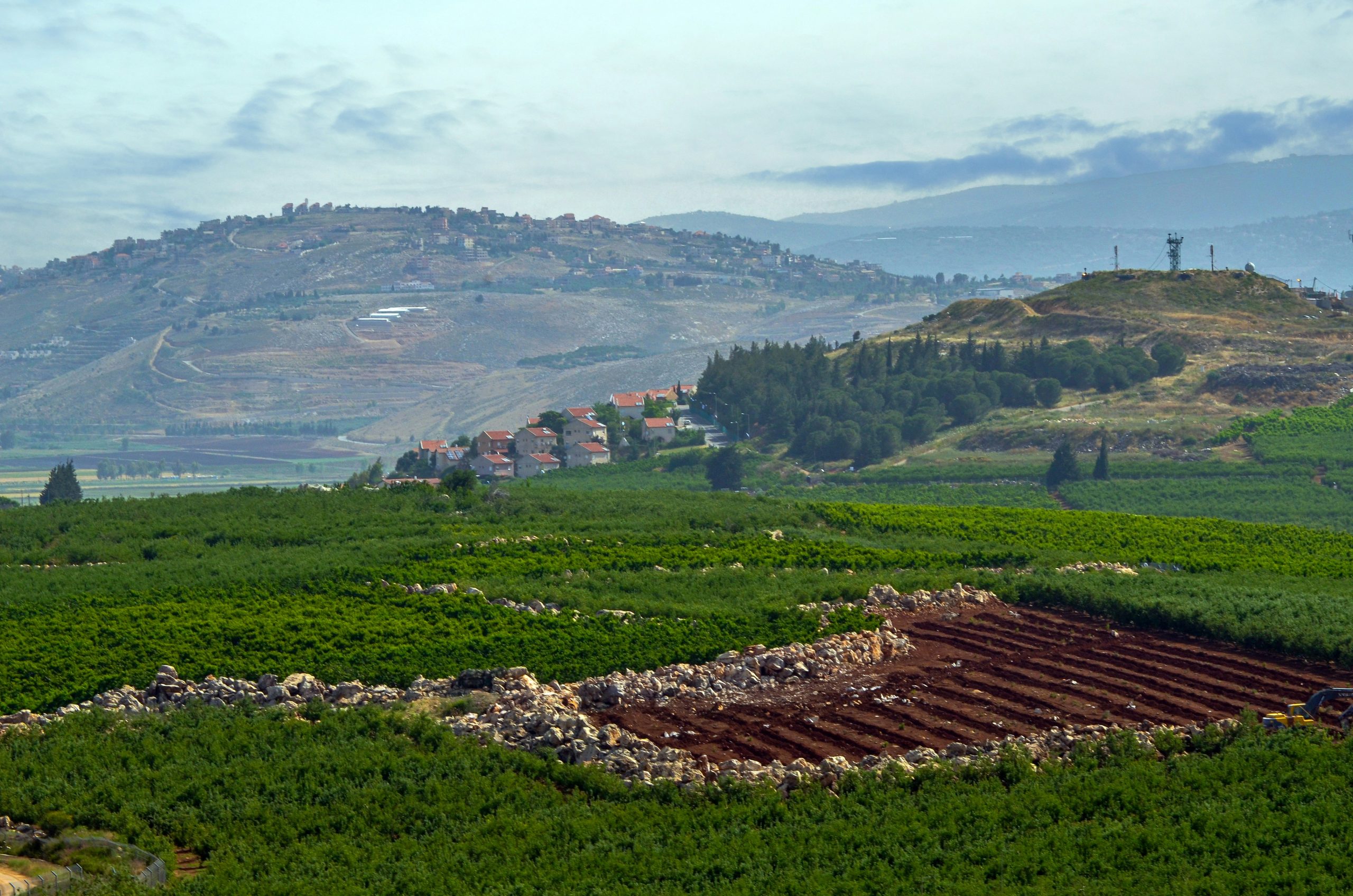
Header photo: Bint Jbeil Road, Southern Lebanon (Photo courtesy of Ahmad Bader via Unsplash)