Lebanon (MNN) — Lebanon wants Israeli attacks to stop ahead of peace talks in the United States on Thursday and Friday. On Monday, Lebanon’s president asked the U.S. to pressure Israel to halt its strikes.
Hostilities have continued, mostly in southern Lebanon, since U.S. President Donald Trump declared a ceasefire on April 16. Israel has set up a self-declared security zone in the south, saying it aims to guard against Hezbollah attacks.
Heart for Lebanon’s Camille Melki says Washington is not an unbiased host for peace negotiations between Israel and Lebanon.
“The U.S. interest is to end conflicts in the Middle East, especially between Israel and its neighboring nations. The U.S.’s desire is that Israel sign a peace agreement with the other neighbors, as it did with Egypt and Jordan,” Melki says.
However, peace won’t come easily in Lebanon, especially amid the war involving Iran. Yesterday, Hezbollah leader Naim Qassem announced that the terrorist group would not surrender and called for an end to direct negotiations between Israel and Lebanon.
“How can we even ensure a ceasefire when the ones sitting at the table are not the ones shooting at each other?” Melki asks.
“The Lebanese government is negotiating with Israel, but in fact, it’s Hezbollah that is carrying the gun and shooting at Israel.”
Why the ceasefire is complicated
Although Lebanon’s government agreed to a temporary ceasefire with Israel, several factors have made the truce largely ineffective on the ground.
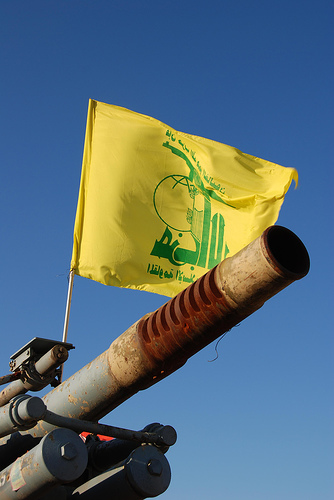
Hezbollah flag
(Photo courtesy Paul Keller via Flickr)
First, Lebanon’s government does not control Hezbollah. “Hezbollah’s loyalty is to the Iranian regime – the ones who pay the bills, the ones who provide the weapons,” Melki explains.
“A lot of the decision makers among Hezbollah are Iranians as well.”
Second, approximately one-third of Lebanon’s population is Shia Muslim, and that community is represented in Lebanon’s government by officials closely aligned with Hezbollah.
Last week, Lebanon’s parliament speaker, Nabih Berri, rejected any peace negotiations without guarantees that Israel would halt attacks.
“The Speaker of the House, though it sounds like he’s speaking on behalf of Lebanon, in fact is representing the Shia population, seeking their best interest and protecting one group, not the entire nation of Lebanon,” Melki says.
“Unfortunately, Lebanon is, though we try not to admit it, a very sectarian nation. The president of the country is always a Christian Maronite, the Speaker of the House is always a Shia Muslim, and the Prime Minister is always a Sunni Muslim,” he continues.
“That’s in our constitution, but it also infiltrates almost every other position in our government.”
How to help
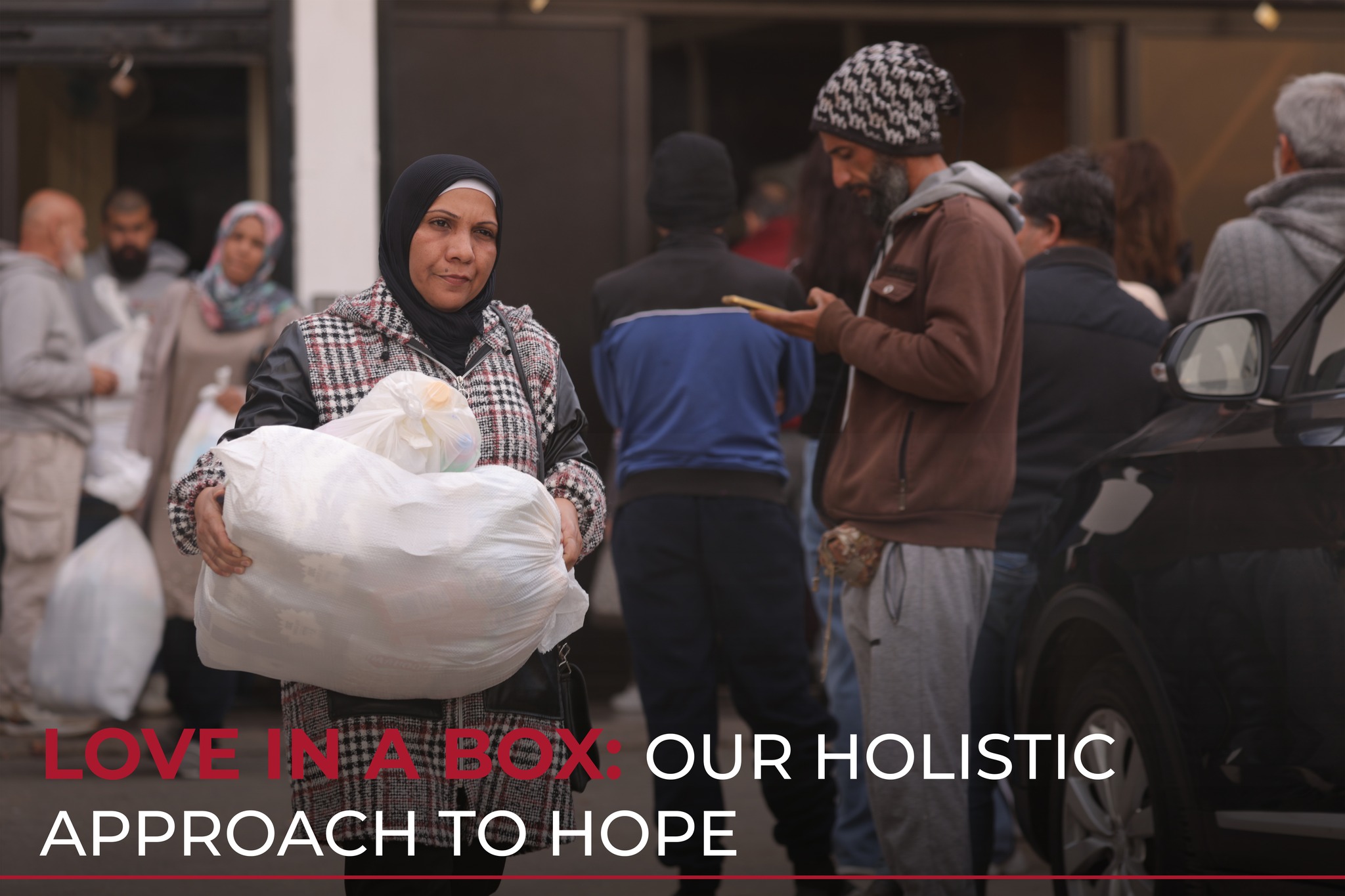
Some 1.2 million people have been driven from their homes in southern Lebanon. Continued conflict won’t stop believers from caring for the displaced.Here’s how you can help.
Pray for Heart for Lebanon teams as they distribute practical aid and Gospel hope.
“It is important that everybody we come in contact with knows and understands what drives us,” Melki says.
“We are sent in with the love of Jesus Christ, sharing it with everyone in need, regardless of their faith, their ethnic background, and their political affiliation.”
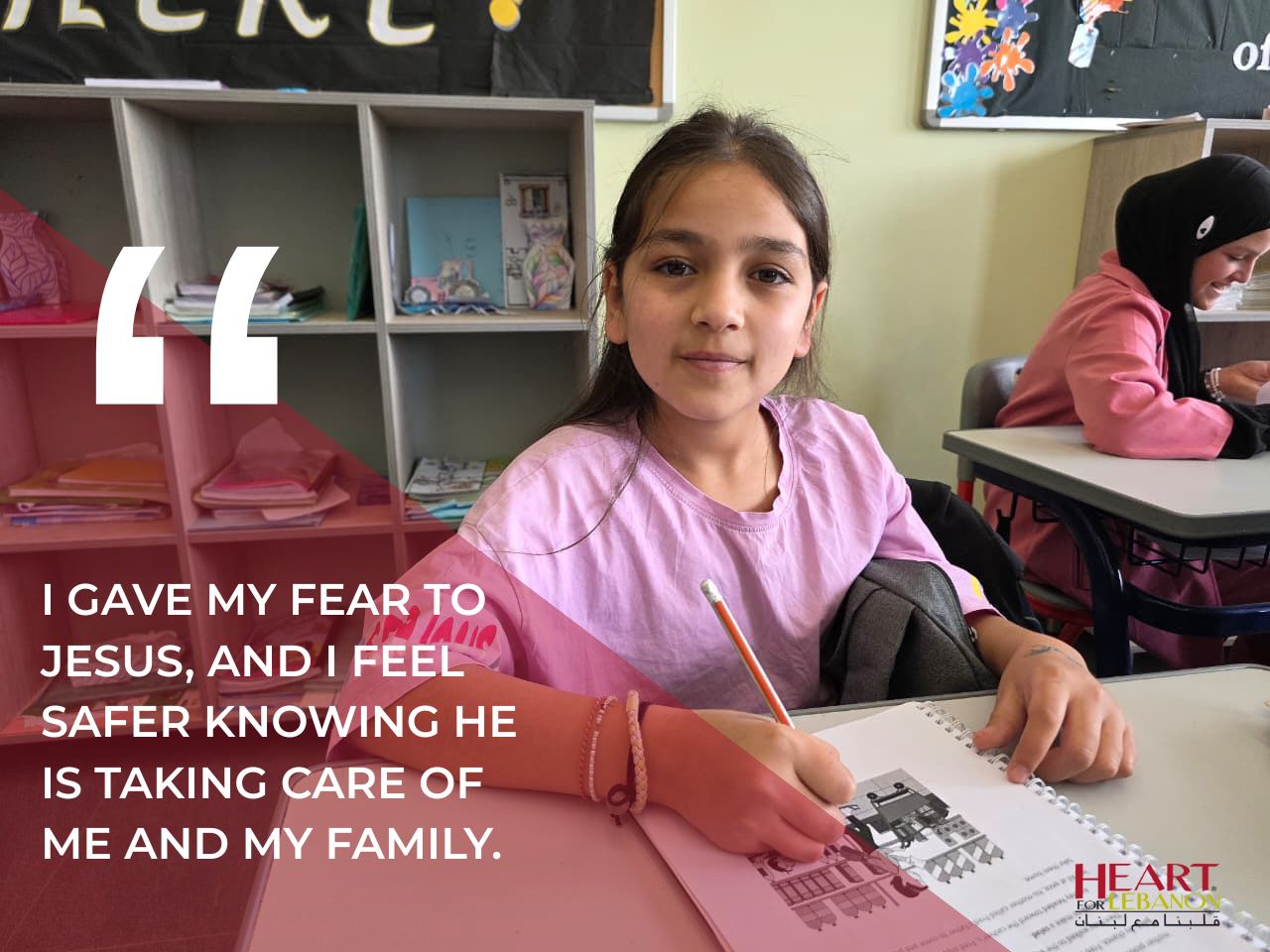
(Photo courtesy Heart for Lebanon)
Praise the Lord for positive developments among Lebanon’s leaders.
“Our Lebanese government recently declared all military activity by Hezbollah illegal. The Lebanese government has declared the city of Beirut arms-free,” Melki says.
“A lot of these decisions that our government is making are new. They’re fresh, they’re encouraging, and they’re promising for a better future for the people of Lebanon.”
Header image courtesy of Heart for Lebanon.