North Korea (MNN) — North Korea has changed its Constitution to remove any goal of reunification with the South. But what does this mean for ordinary Koreans and believers?
Eric Foley with Voice of the Martyrs Korea says, “this is a serious change that has major ramifications politically, certainly, but also with regard to ministry.”
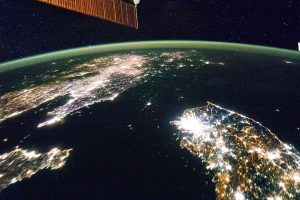
North and South Korea at night (photo courtesy of NASA via Wikimedia Commons)
The historical context
The Korean War never officially ended because no peace treaty was signed. Both Koreas historically claimed authority over the entire peninsula in their constitutions. That allowed North Korean defectors to automatically become South Korean citizens and permitted ministries like Voice of the Martyrs Korea to conduct outreach into the North from the South.
“This division of Korea into two countries by North Korea raises the question of how South Korea will respond,” Foley explains.
If South Korea were to officially recognize North Korea as a separate nation, North Koreans could be refused entry into the South or required to complete a difficult citizenship process. Ministries might also be banned under South Korean law from doing work directed toward North Korea.
So far, South Korea has condemned the move as a major escalation because the new constitution does not clearly define North Korea’s borders but insists on the country’s right to defend them. Seoul still supports peaceful reunification but has increased security readiness.
How can it affect the ministry work?
Foley says a permanent two-state system could create serious ministry challenges: “It [might have] serious impacts on ministry, because our work at Voice of the Martyrs Korea is in support of underground North Korean Christians.”

Democratic People’s Republic of Korea E-Passport passport (photo courtesy of PRADO EU via Wikimedia Commons)
South Korea could eventually join North Korea in restricting or banning such ministry work if cooperation between the two governments increases.
The ministry also serves North Korean laborers overseas and women trafficked into China and forced into marriage. Foley says that outreach could eventually become illegal under South Korean law, not just Chinese and North Korean law.
At the moment, North Korea’s decision has not changed ministry operations. However, how the situation develops will depend on future diplomacy and South Korea’s response.
“So the change in the Constitution is really a matter of prayer for believers,” Foley says.
An estimated 100,000 underground Christians remain in North Korea. Pray Voice of the Martyrs Korea can continue supporting local believers through radio broadcasts, Bible distribution, and other outreach efforts based in South Korea.
“Pray that while it is still light, that the Lord will permit us to do the ministry that we do. We don’t take for granted any day,” Foley says.
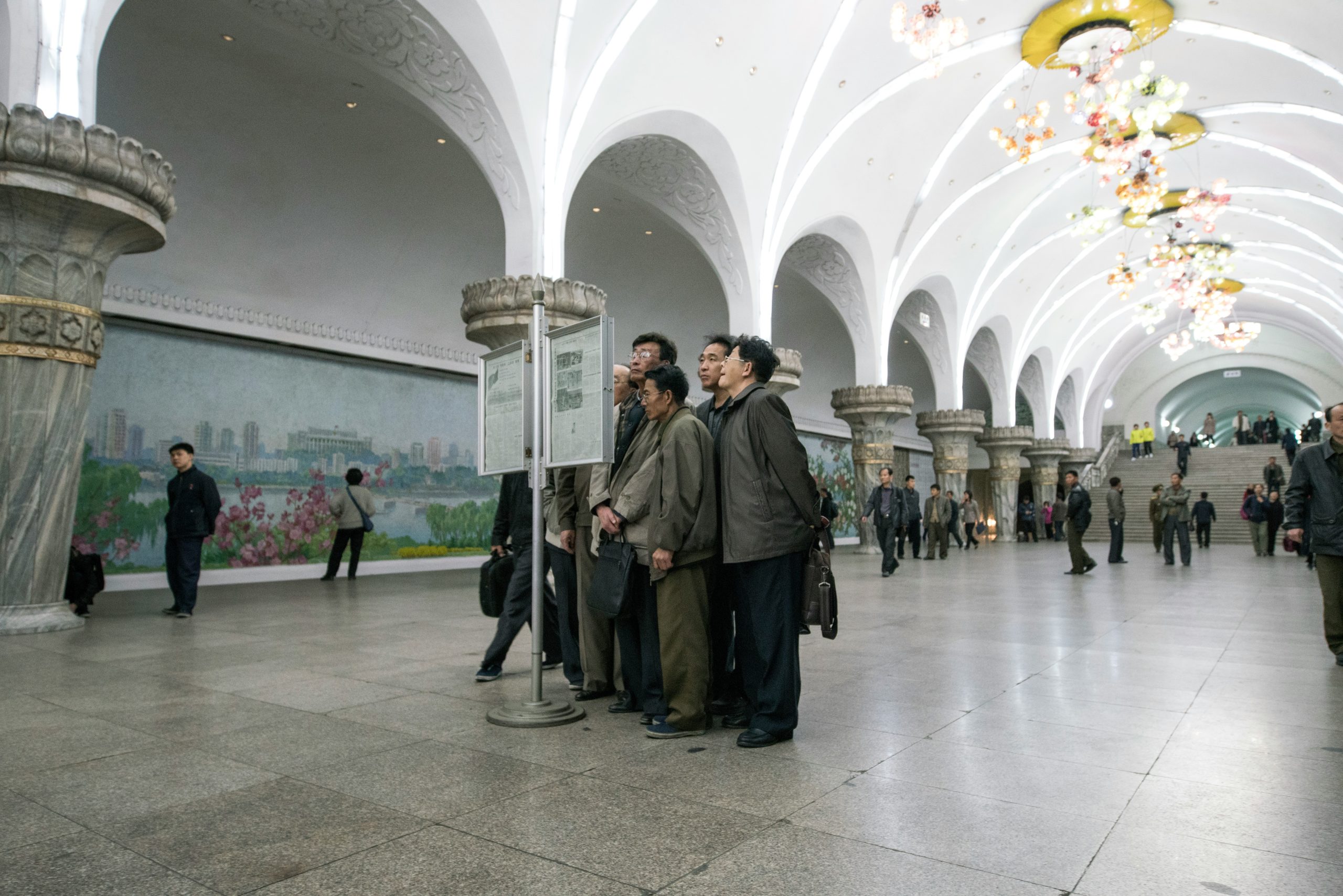
Header photo: North Korean men reading news, Pyongyang, North Korea (photo courtesy of Random Institute via Unsplash).