Lebanon (MNN) — Peace efforts in Lebanon are stalling amid volatility.
Peace talks negotiated by the United States produced a framework agreement between Israel and Lebanon’s government at the end of June. However, implementation of the deal remains problematic as Hezbollah refuses to comply, and Israeli strikes continue.

Walk through the South today and you won’t find peace. You will find neighborhoods reduced to dust and over a million displaced souls living in cars, tents, and overcrowded shelters. The world’s attention turned away, leaving families to navigate a shattered reality.
(Graphic, caption courtesy Heart for Lebanon)
Though many Lebanese criticize the framework agreement, Heart for Lebanon’s Camille Melki says the Lebanese government didn’t have much choice.
“If we miss the push towards peace and negotiations in the region, we will be left with a terribly destroyed southern part of Lebanon with no hope of rebuilding, nor hope of seeing the internally displaced having the chance to return home,” Melki explains.
While Lebanese citizens disagree on how peace should be achieved, Melki says most agree it’s necessary for the nation.
“Lebanon, as a majority population, is eager and thirsty for living in peace with its neighbors, and in peace with one another.”
The stalled peace process carries a human cost, especially for Shia Muslims in southern Lebanon.
War costs and opportunity
Some of Hezbollah’s biggest supporters are also the most affected by the ongoing violence. “The whole nation has been dragged into a war, but the Shia Muslims are the ones who are suffering the most,” Melki says.
“Lebanon is divided into three major religious groups: one third of our population is Shia Muslim, another third is Sunni Muslim, and the [final] third are Christians. Hezbollah comes from a Shia Muslim background, so one-third of our population today feels it’s been held hostage by Hezbollah.”

(Graphic courtesy Heart for Lebanon)
Pray for believers as they extend help and hope to those in need, regardless of their background.
“Pray that we can show the love of Jesus Christ, unconditional love, to people who have not heard of the Christian faith before,” Melki requests.
Help through Heart for Lebanon here. Your assistance enables Gospel workers to meet the immediate needs of people who are struggling or displaced due to the ongoing war in Lebanon and to share the life-changing hope of the Gospel with them.
“Heart for Lebanon has doubled its ministry opportunities in southern Lebanon. Today, we care for more than 7,000 families every month. It has stretched us to the limit, but we also understand that it is important to help a family survive this hardship,” Melki says.
“This is our opportunity to bring Jesus to every home, to every community, and to every villager. Now, what they do with that – that’s between them and God.”
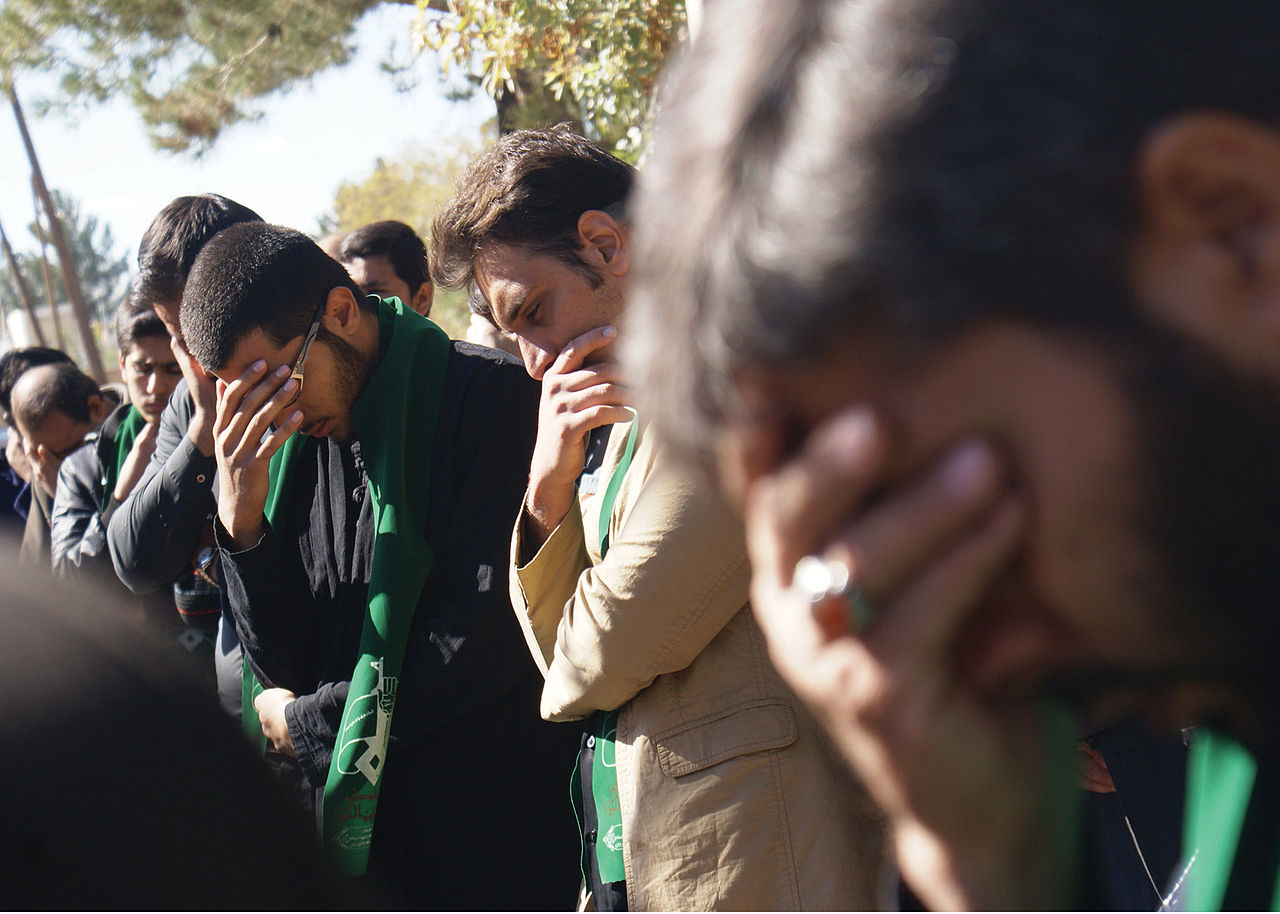
Header image is a representative photo that depicts mourning Shia Muslims. Photo courtesy of Payam Moein, CC BY-SA 4.0 <https://creativecommons.org/licenses/by-sa/4.0>, via Wikimedia Commons.