Sudan (MNN) — Sudan’s army advanced in Blue Nile state this week, yet the civil war is far from over. While the army has improved its position in central Sudan and Khartoum, rebel forces remain deeply entrenched in Darfur and Kordofan.
A Rapid Support Forces commander known as “the butcher of El Fasher” is reportedly out of prison and back in combat, boosting morale among rebel forces and spreading fear among survivors.
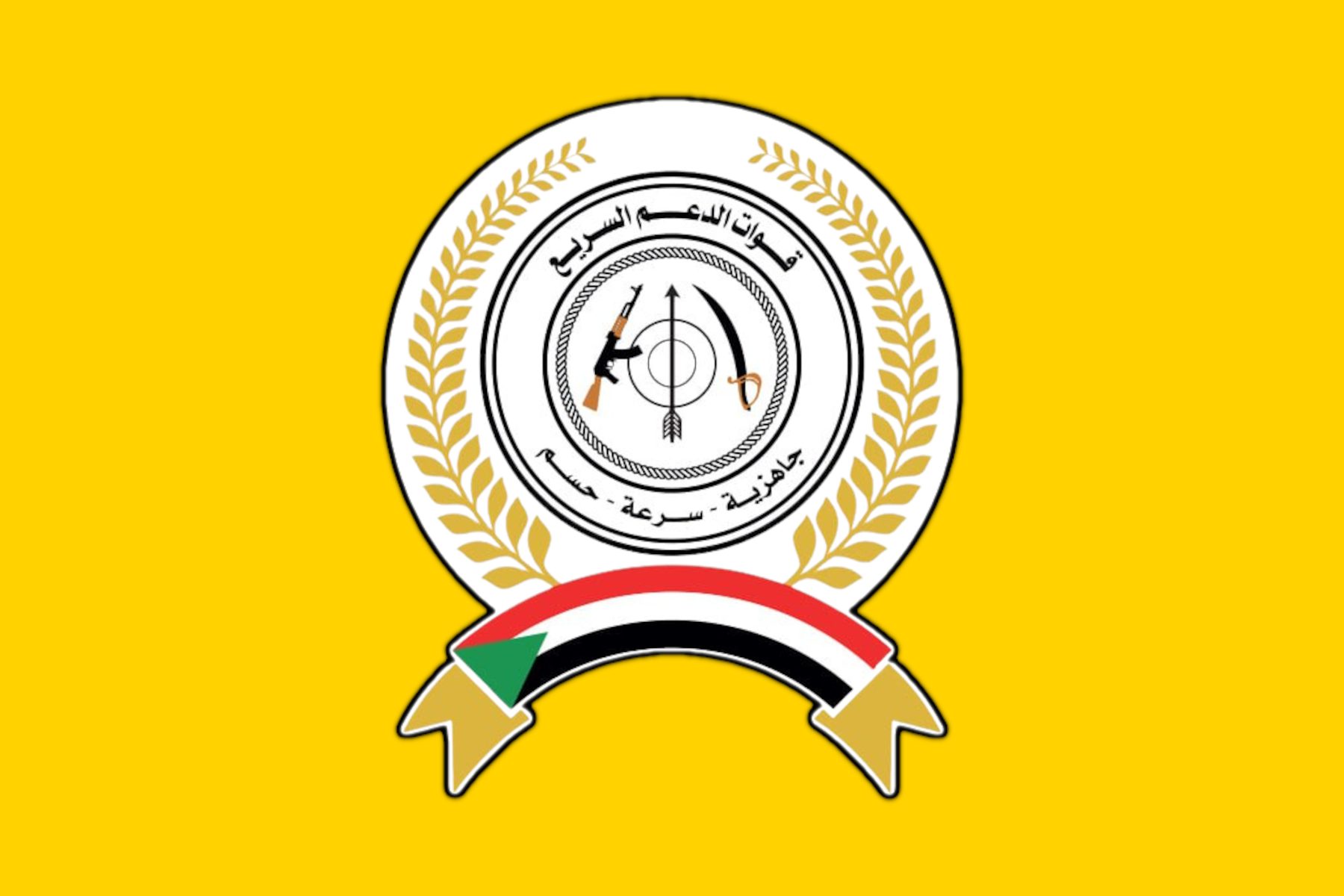
Flag of the Rapid Support Forces
(MartinKassemJ120, CC0, via Wikimedia Commons)
The RSF detained Brigadier General al-Fateh Abdullah Idris, known as Abu Lulu, after multiple social media videos showed him committing atrocities against unarmed civilians in the fallout from last year’s battle for El Fasher.
The trauma inflicted by Abu Lulu and others demonstrates how citizens pay the heaviest price of Sudan’s civil war.
Neither of the warring sides offers protection or help, and aid workers cannot reach starving communities. John of Greater Reach Alliance explains, “There are no safe corridors for humanitarian aid access inside Sudan right now.”
If Sudanese people cross into a neighboring country, they still struggle to find food, clean water, and shelter. “This is not only in refugee camps, but in Sudan itself, because basic infrastructure has been destroyed,” John says.
“Water systems, electricity – all the things that make up a functioning civil society have been destroyed.”
Hope amid loss
Sudan’s civil war began in April 2023. Since then, at least 59,000 people have lost their lives, and 30 million Sudanese require support to survive.
Church planters supported by GRA offer biblical trauma healing and targeted relief aid. “There’s only one source of healing that we can offer them, and it is the Gospel,” John says.
In dozens of locations, GRA teams encounter Sudanese refugees and displaced families who are desperate for hope. “People are deeply, deeply exhausted, and they’re living under constant fear,” John says.
“They carry such deep trauma from the loss of family, of home, and dignity. This trauma is shaping their daily lives and how they view the future.”

Even in places marked by fear, loss, and displacement, the Lord is drawing people to Himself and bringing His peace.
(Photo, caption courtesy of Greater Reach Alliance)
More than 300 graduates from GRA’s school of mission and 28 church-planting teams are serving Sudanese people in refugee camps in three countries. During every encounter, believers offer the compassion of Christ.
John says the response to believers’ kindness often goes something like this: “We’ve been told Christians were evil. How can you love us like this? We’ve been taught to hate you.”
How to help
UNHCR’s 2026 appeal describes Sudan’s war as the world’s largest displacement, humanitarian, and protection crisis. While humanitarians struggle to raise the funding needed to address needs en masse, you can help Sudanese people directly through GRA.
Your gifts enable Gospel workers to meet physical and spiritual needs. Although it’s primarily a church-planting ministry, GRA’s targeted relief efforts include food, shelter, and medicine as the Lord provides.
“God has miraculously opened the door for us. Even though these ministries weren’t our wheelhouse, God has said, ‘Yes, I’ll be with you,’ and He is,” John says.
“Pray that God would bring into our hands the means to provide food and shelter. We’ve done that many times,” he continues.
“The shelter is a tarp over their head, because that’s all we had, but they’re sitting in the middle of the sun in some of these areas – that’s 110 degrees.”
Pray that the Sudanese people will surrender their lives to Jesus as they encounter Him through the GRA teams. Pray they will accept the Gospel as truth.
“We’ve had our tragedies, and there will be tragedies to come. How do we as Christians get through them? It’s because the Gospel is true,” John says.
Header image is an AI photo generated by ChatGPT.