Lebanon (MNN) — In a move that may ease pressure on war-torn Lebanon, Syrian refugees are increasingly returning to their homeland. Heart for Lebanon’s Camille Melki says the country’s infrastructure is at a breaking point.
“Electricity, water, sewage, roads, everything is affected right now, with extra harm caused by this recent war and having 20 percent of our population forced to find a place of refuge overnight,” Melki says.
Life is “becoming very, very difficult.”
Refugee returns
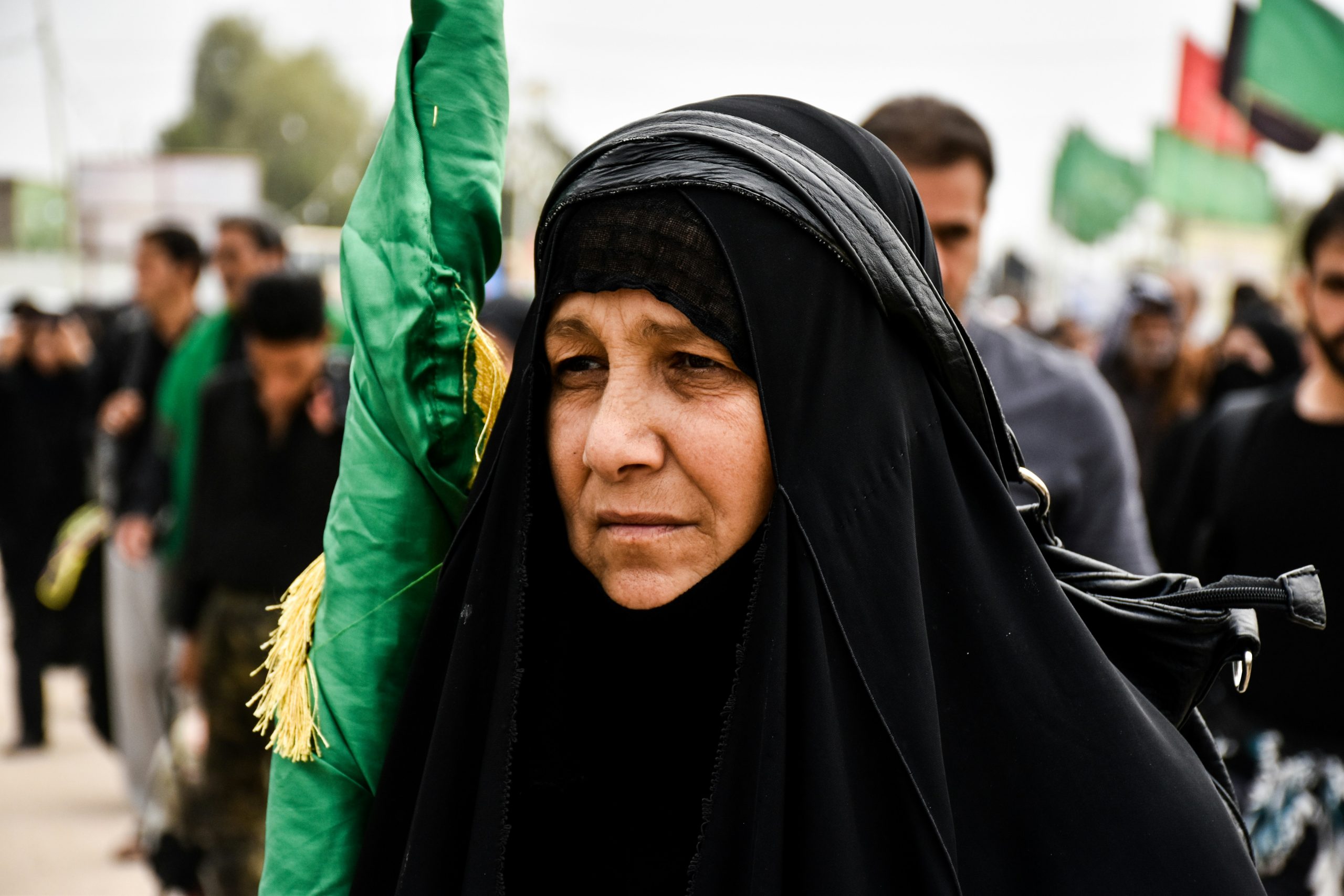
Lebanon has the highest number of refugees per capita in the world, with roughly one-quarter to one-third of its population being made up of refugees. Most are Syrian; others include Palestinians, Iraqis, and Sudanese.
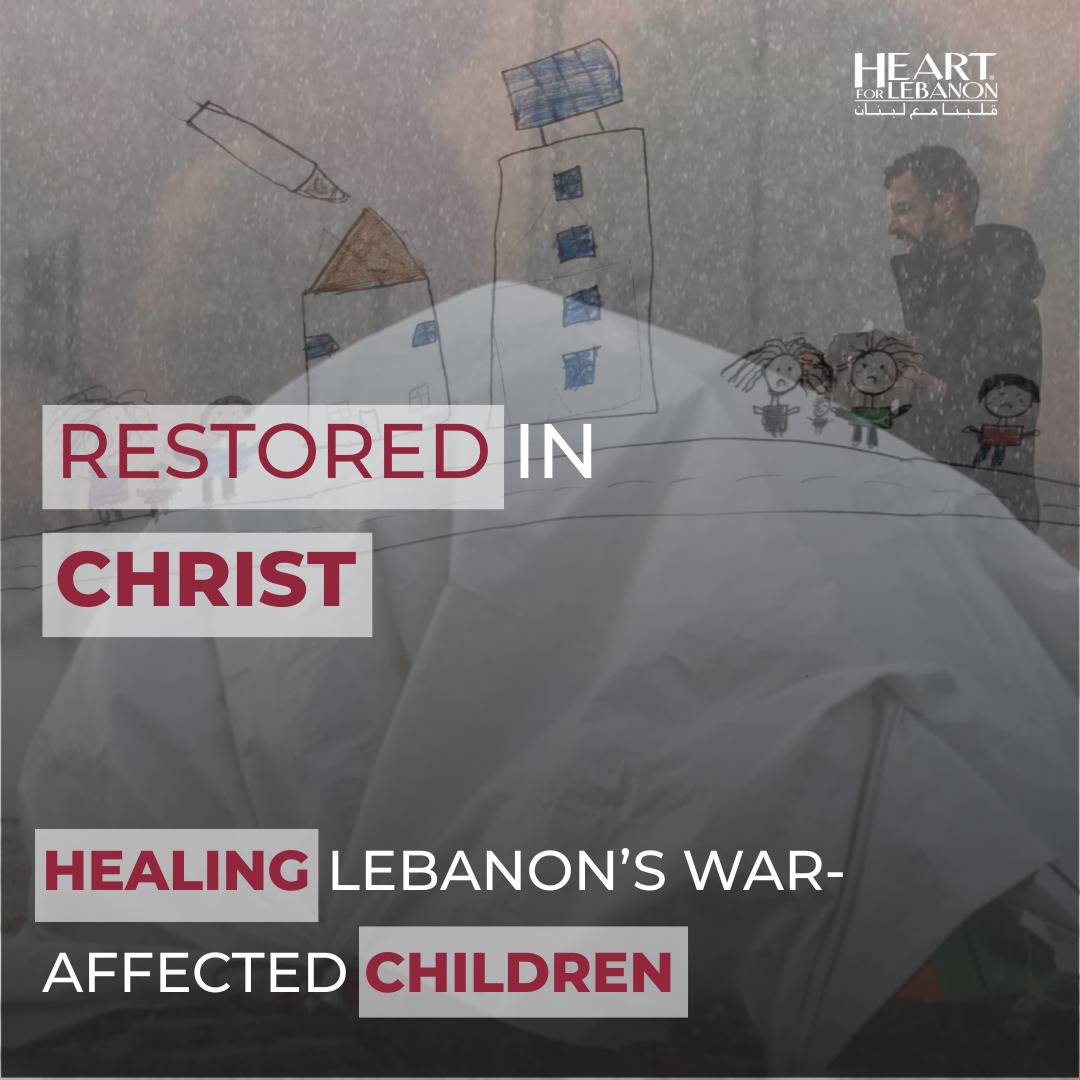
(Photo courtesy Heart for Lebanon)
“Lebanon cannot afford to host such a large refugee population and care for its own people in great need,” Melki says.
“As Christians, we cannot prefer a people group over others, and that’s not what I’m saying. What I’m saying is right now, Lebanon as a nation and the Lebanese as a community have so much pressure that they’re finding it very difficult to care for refugees.”
Over 200,000 people have crossed from Lebanon into Syria since the war began. While 95 percent are Syrian refugees, the rest are Lebanese people looking for stability.
“Whether from Syria, Palestine, or Iraq, a large return of individuals to their countries will definitely lift some economic [and] socio-political strains on our society,” Melki says.
Following Christ’s example, Heart for Lebanon cares for those who remain, whether refugee or national. Believers’ unbiased attention often leads to Gospel opportunities.
“Desperate people take desperate measures,” Melki says.
“There is a vacuum in their life. It can either be filled by people who give them food to control and indoctrinate them, or it’s our opportunity to come alongside and lead them out of despair into hope in Christ alone.”
Relational care
Heart for Lebanon’s threefold approach is holistic, meeting the felt needs of every man, woman, and child. Here’s how you can help.
“First, we provide the basic essentials for survival: food and hygiene, blankets, mattresses, warm clothing, some medicine when available. It’s rainy season in Lebanon, and people on the run live with the clothes on their backs,” Melki says.
The ministry’s Hope On Wheels team helps kids forget the war raging around them.
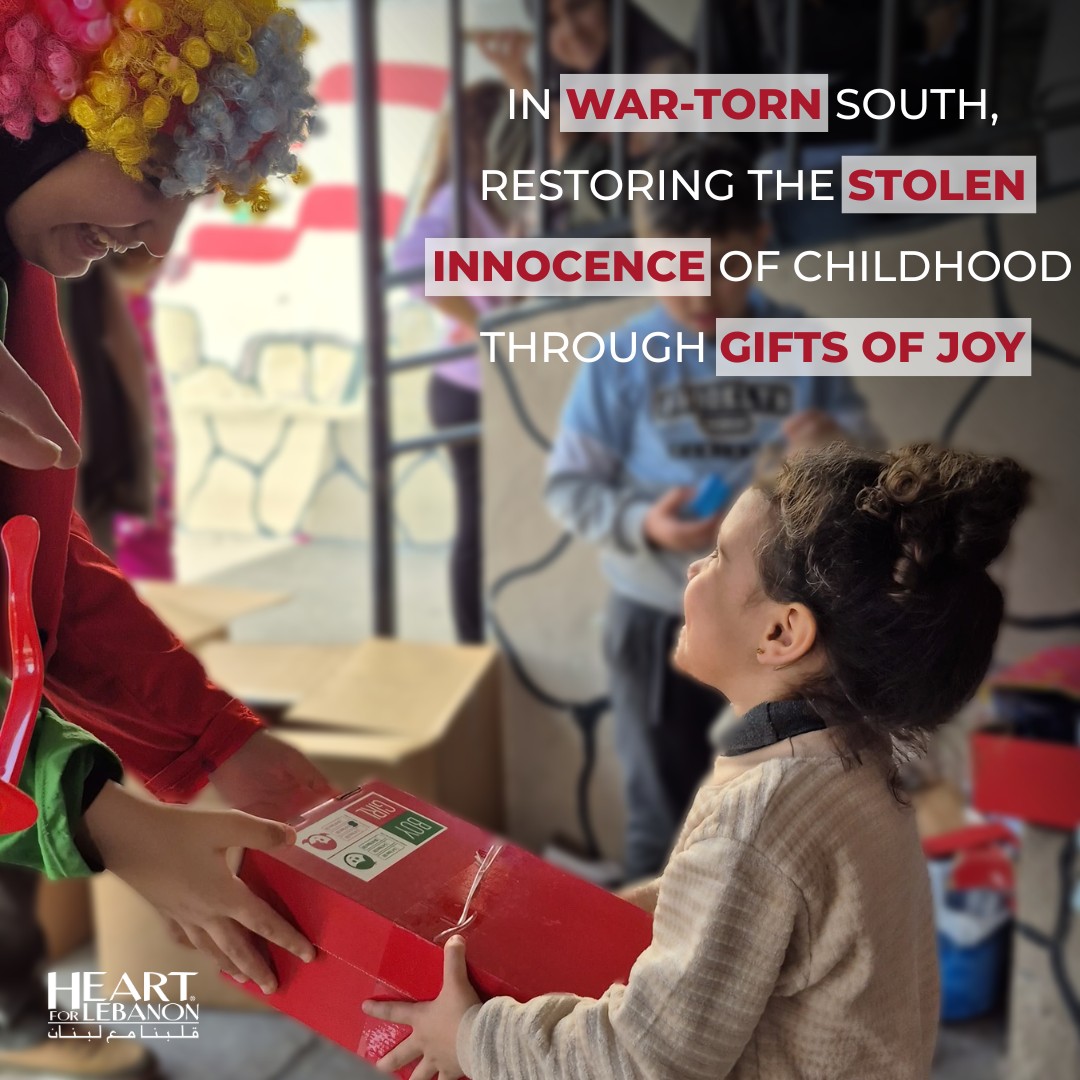
Through our partnership with Samaritan’s Purse, we are delivering special gifts to children in the war-torn South. These “Gifts of Joy” are tangible expressions of God’s love and a reminder to these children that they are not forgotten.
(Photo, caption courtesy Heart for Lebanon)
“We go to schools that are being used as shelters for internally displaced people. We go to church parking lots, to villages, and do fun activities for children, giving them the opportunity to play in a safe environment, to laugh again,” Melki says.
Finally, a third team addresses families’ emotional and spiritual needs.
“Our relational engagement team spends long hours every day visiting, encouraging, listening to the stories of the people who are afraid, and even questioning the existence of God.”
Every touchpoint is another step toward the ministry’s goal: “To win the trust of the people we serve and to answer the Jesus question: where is Jesus? Who is Jesus? Who is the God of Christianity?” Melki says.
“I cannot tell you the joy we receive as we see people in tears, coming to faith, and the Bible studies, discipleship classes, and church attendance have increased significantly.”
Header and story images courtesy of Heart for Lebanon.