Kenya (MNN) — Below-average rainfall in Kenya in October-December 2025 and again March-May 2026 has led to another drought affecting millions. It has called up memories of the 2020-2023 drought in the Horn of Africa.
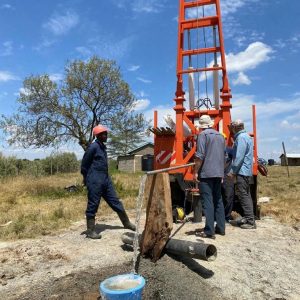
(Photo courtesy of Kenya Hope)
Bryan Haley with Kenya Hope points to climate change: “Even this last season of drought that we’re just coming out of was more severe than it would have been had they missed their short rain season a decade or two ago.”
No surprises: drought brings livestock losses, crop failure, hunger, and worse. The Integrated Food Security Phase Classification projects that between April and June, 3.7 million Kenyans in the country’s Arid and Semi-Arid Lands (ASAL) will face crisis levels (or higher) of acute food insecurity. Already, 3.3 million people are in this stage of emergency.
Kenya Hope has already stepped into the crisis with practical, long-term help. Haley explains that one of the first things they do when they enter a community is drill a borehole well. They currently serve 17 distinct communities in Kenya.
One woman recently told Haley she hadn’t recognized the effects of the water her family collected from local rivers and dams.
“They didn’t realize how sick their kids were — waterborne illnesses like diarrhea and all of these different things,” says Haley. “But as soon as they had clean, safe drinking water, those health issues were erased.”
As part of Kenya Hope’s long-term maintenance of each well, local families contribute to a small fund to support the well’s upkeep.
“So their community is actively engaged in providing for the services to keep it ongoing and to keep it accessible for their entire community, which is really just a beautiful thing to see people participate in,” says Haley.

One particular community has always used this river as its source of water. They have never known anything different. Today, this community now has clean, clear water!
(Photo courtesy of Kenya Hope)
A well is more than just water.
“It’s an automatic level of trust that you’re earning when people are just not sick anymore because of something simple, like water,” Haley explains.
“Clean water really opens the door to education, food security, dignity for widows, and increasing income. And that all leads [to] or is the chance to share the hope of the gospel or living water.”
Would you prayerfully consider supporting Kenya Hope’s future well projects? Visit kenyahope.org to learn more.
“When someone helps fund a well in Kenya, they’re not just giving water, but they are giving children a safer childhood and a healthier future,” says Haley. “It really impacts an entire community with just a few dollars.”

Kenya: Acute Food Insecurity Situation for January – March 2026 (left) and Projection for April – June 2026 (right). (Map courtesy of IPC)
Header photo courtesy of Kenya Hope.